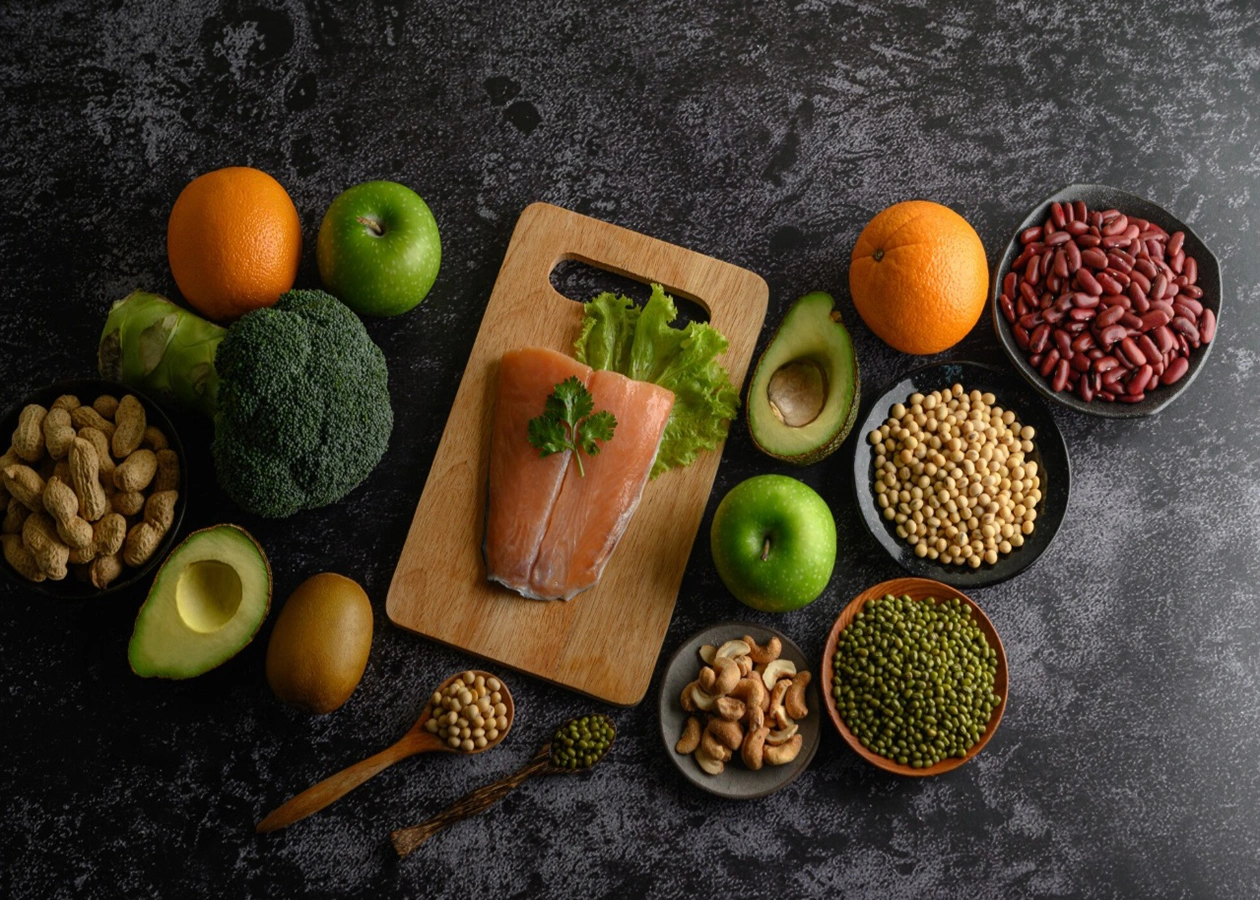
Most people think high-fiber foods are essential for digestive health and regular bowel movements. Health organizations also recommend eating more foods with high fiber, such as beans, whole grains, fruits, and vegetables, to support gut health and reduce the risk of chronic disease. However, Low-Carb, Ketogenic, and Carnivore Diet followers usually consume far less fiber than dietary guidelines suggest, but they are doing fine. This raises an important question: do you really need foods with high fiber to stay healthy, or can some people thrive with lower fiber intake?
Summary
The highest fiber foods include psyllium husk, chia seeds, flaxseeds, artichokes, avocados, almonds, raspberries, and blackberries. While fiber is commonly recommended for digestive health, people following low-carb diets can often obtain adequate fiber from low-carb foods such as avocados, seeds, nuts, berries, and vegetables.
Let’s take a look at the table below that shows some of the highest fiber foods per 100 grams [1] [2]:
Many of the foods listed above are also suitable for low-carb diets because they provide relatively high amounts of fiber without high levels of net carbohydrates.
While fiber equals digestive and metabolic health in many people’s minds, some people following low-carb diets consume low levels of fiber and still report normal digestion.
So, is fiber really necessary? To solve this dilemma, let’s dig deeper and find out what fiber is, how it works, and whether we need it, especially on low-carb diets or not.
Learn More: Carnivore Diet Vegetables: Can You Eat Them on Carnivore?
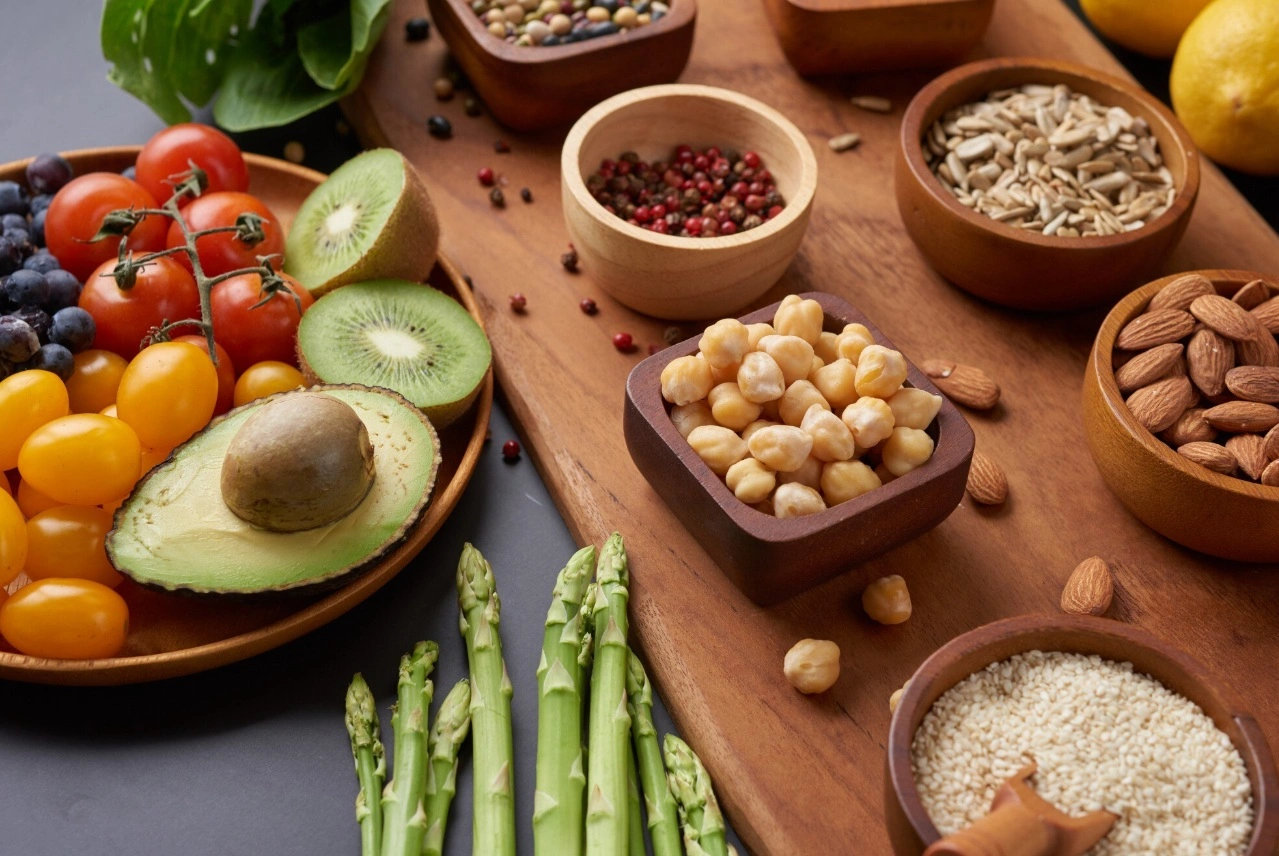
Fiber is a type of carbohydrate that the human body cannot fully digest. Unlike sugars and starches, fiber passes through the digestive system largely untouched [3].
Fiber is generally classified into two main categories: soluble and insoluble. The table below shows their main differences.
Soluble fiber dissolves in water and creates a gel-like substance in the digestive tract. Soluble fiber can help you [4] [5] [6]:
You can find soluble fiber in
Learn More: Lowest Carb Nuts: Best Nuts for Keto and The Worst Keto Nuts
Insoluble fiber does not dissolve in water, and can [7] [8]:
The most common sources of insoluble fiber are:
While fiber is generally grouped into these two categories, researchers now recognize that different fibers may have unique effects on digestion, gut bacteria, satiety, and metabolism.
If you really want to know how much fiber you can get from foods with high fiber, you need to measure them based on serving sizes, because we do not usually eat everything in 100-gram portions.
Learn More: Zero Carb Foods to Have on Keto and Carnivore Diets
Looking at fiber per serving can be more useful than just comparing foods by weight. The table below shows the average fiber content in typical servings of foods with high fiber.
As you can see, you can follow regular fiber recommendations even on a Low-Carb Diet when you choose high-fiber foods mindfully and strategically. But is fiber a must-have carbohydrate?
Learn More: Avocado on a Carnivore Diet: Is Avocado Oil Allowed?
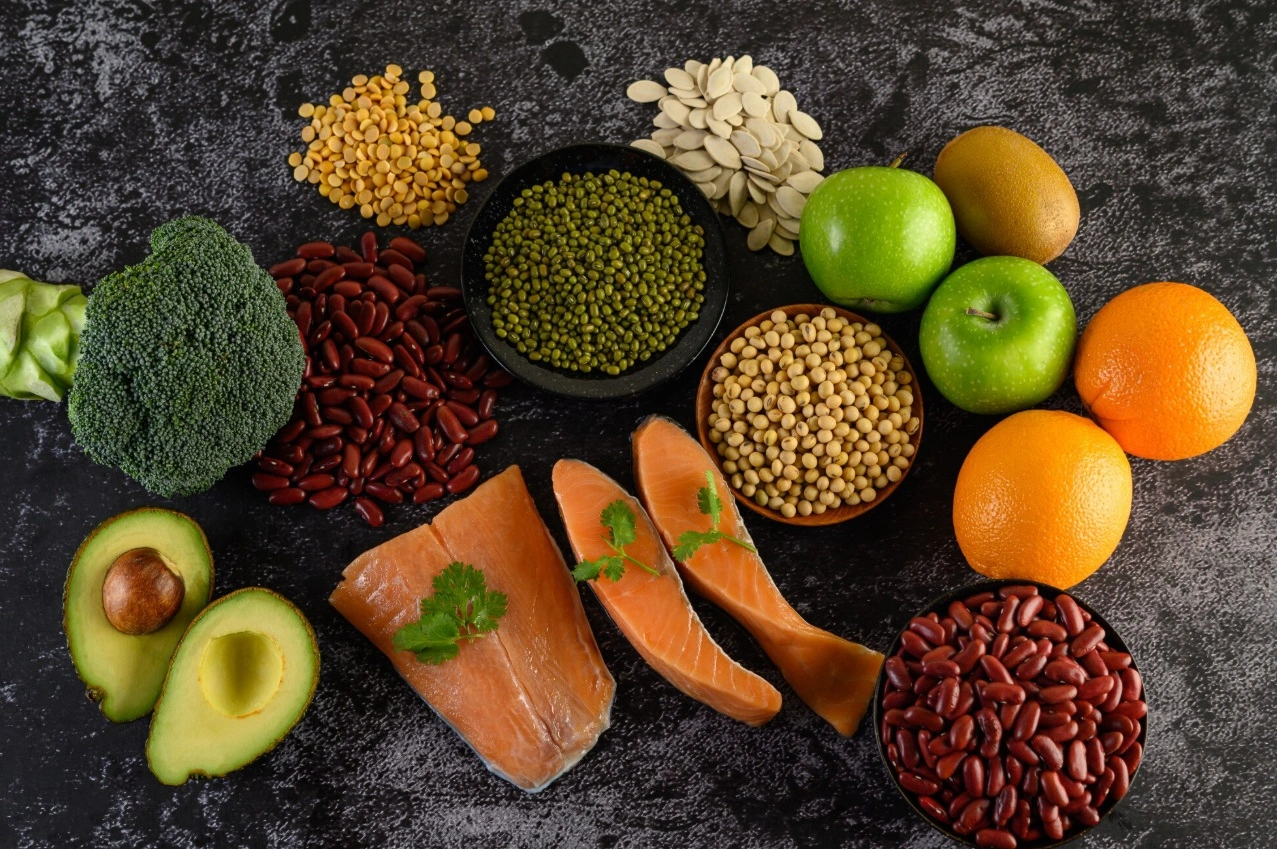
Common nutrition guidelines generally recommend consuming between 25 and 38 grams of fiber per day [9] [10].
These recommendations are based on research linking higher fiber intake to better digestive health, blood sugar regulation, and reduced risk of certain chronic diseases [11].
However, many people who reduce carbohydrates also naturally reduce fiber intake because some of the highest fiber foods, such as beans, whole grains, and certain fruits, are relatively high in carbohydrates.
Mainstream nutritional recommendations suggest that fiber can promote regular bowel movements, support gut bacteria, lower LDL cholesterol, boost satiety, control blood sugar, and improve digestion.
However, fiber is not an essential nutrient and is not the carbohydrate humans must consume in a Low-Carb Diet Meal Plan.
Many individuals on low-carb diets experience less bloating, less gas, lower digestive discomfort, stable bowel movements, and higher satiety even when consuming significantly less fiber than recommended.
One explanation is that low-carb diets usually contain less food volume and less indigestible material. As a result, bowel movements occur less frequently without necessarily indicating constipation.
You should also distinguish between normal reduced bowel movements and constipation.
Learn More: Constipation on a Carnivore Diet: Causes and Remedies
A person eating fewer carbohydrates and less food may naturally produce less waste.
Research is still evolving on this topic. Some evidence suggests that higher fiber intake can help improve health outcomes [12].
However, these studies often compare higher-fiber diets to highly processed Western diets rather than to carefully planned low-carb diets.
As a result, fiber intake varies between individuals based on their dietary patterns, digestive health, activity level, medical conditions, and personal tolerance.
For some people, increasing fiber improves digestion. For others, reducing certain fibers may improve digestive comfort.
Whether fiber is beneficial, unnecessary, or problematic often depends on your metabolic flexibility, the level of carbohydrates you need daily, your digestive health, and the type of diet you follow.
While the amount of fiber you need daily depends on your total calorie intake, hydration status, digestive health, food choices, and activity level, here is a general rule [13] [14]:
However, practically, instead of focusing on hitting specific numbers, it is wiser to evaluate your fiber needs based on your digestive comfort, stool consistency, energy levels, and diet quality.
Also, despite what many may think, foods with high fiber are not 100% healthy for everybody. While they can offer several potential benefits, they can also come with drawbacks.
Learn More: Keto vs Carnivore: The Difference Between Keto and Carnivore
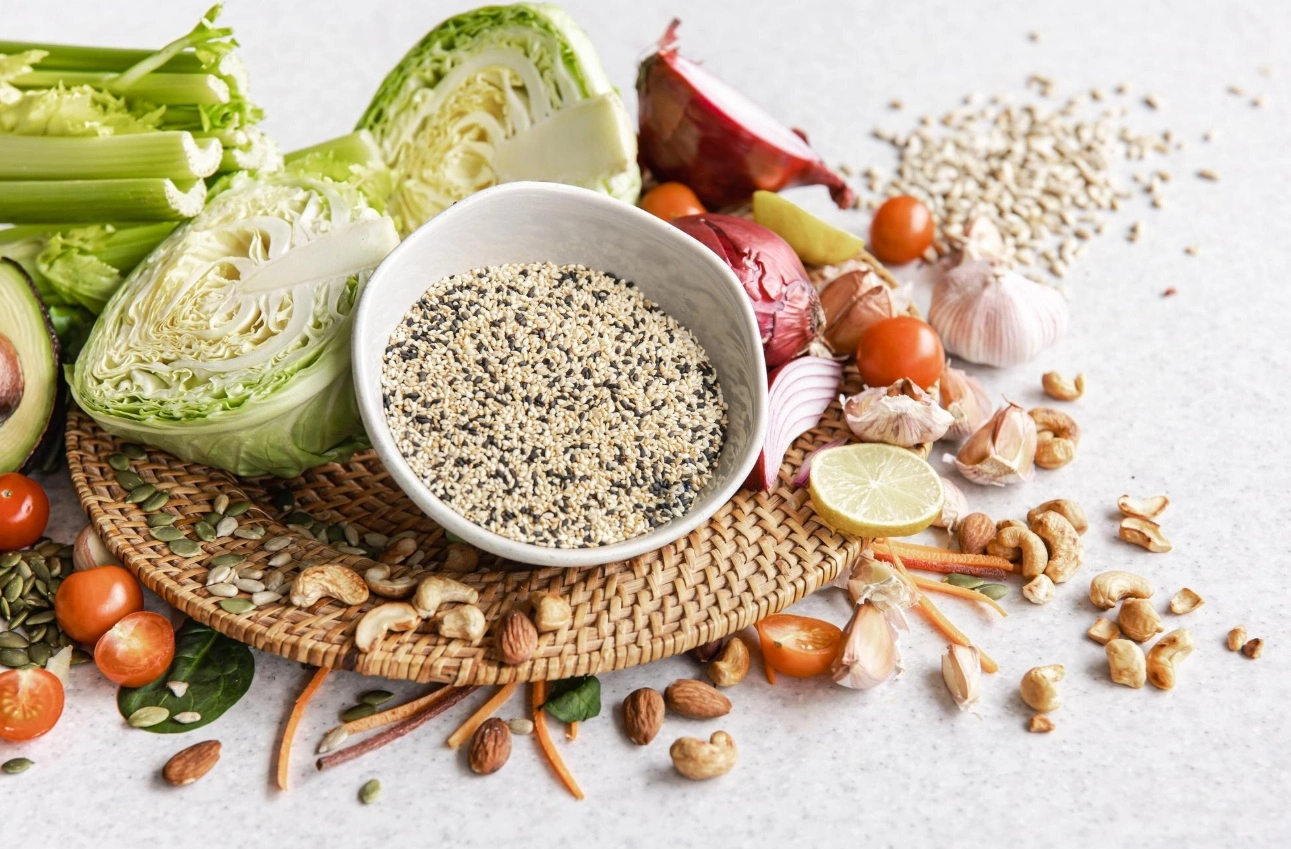
The table below shows the main pros and cons of foods with high fiber [15] [16] [17].
We should also note that one common misconception is that all high-fiber foods are high in carbohydrates.
Learn More: The Carnivore Diet: What Are Its Benefits and Side Effects?
While some of the foods with high fiber are high in carbohydrates, others can fit well in low-carb diets. The following table compares high-fiber foods with low-carb foods to help you make informed decisions [18].
There are also common myths about fiber that we need to uncover.
Learn More: Are Chia Seeds Keto? How to Eat Chia Seeds on Keto?

Let’s check the table below that reviews some of the most common myths about fiber and the actual facts.
So, if you have decided to include foods with high fiber in your Low-Carb or Keto Diet, and your goal is to maximize fiber while minimizing carbohydrates, you can use the following foods that offer a combination of both.
Learn More: Carnivore Diet Constipation: Fix Carnivore Diet Poop Problem
Top 10 low-carb, high-fiber foods include [19]:
There are also convenient ways to increase fiber intake without consuming large amounts of carbohydrates.
You can consume high fiber snacks if you are trying to increase your fiber intake. The following snacks provide significant amounts of fiber relative to their serving size.
Learn More: Are Chia Seeds Keto? Benefits, Risks, & Chia Pudding Recipe
Learn More: 10 Best High Protein Low Carb Meals + Recipes & Tips [2026]
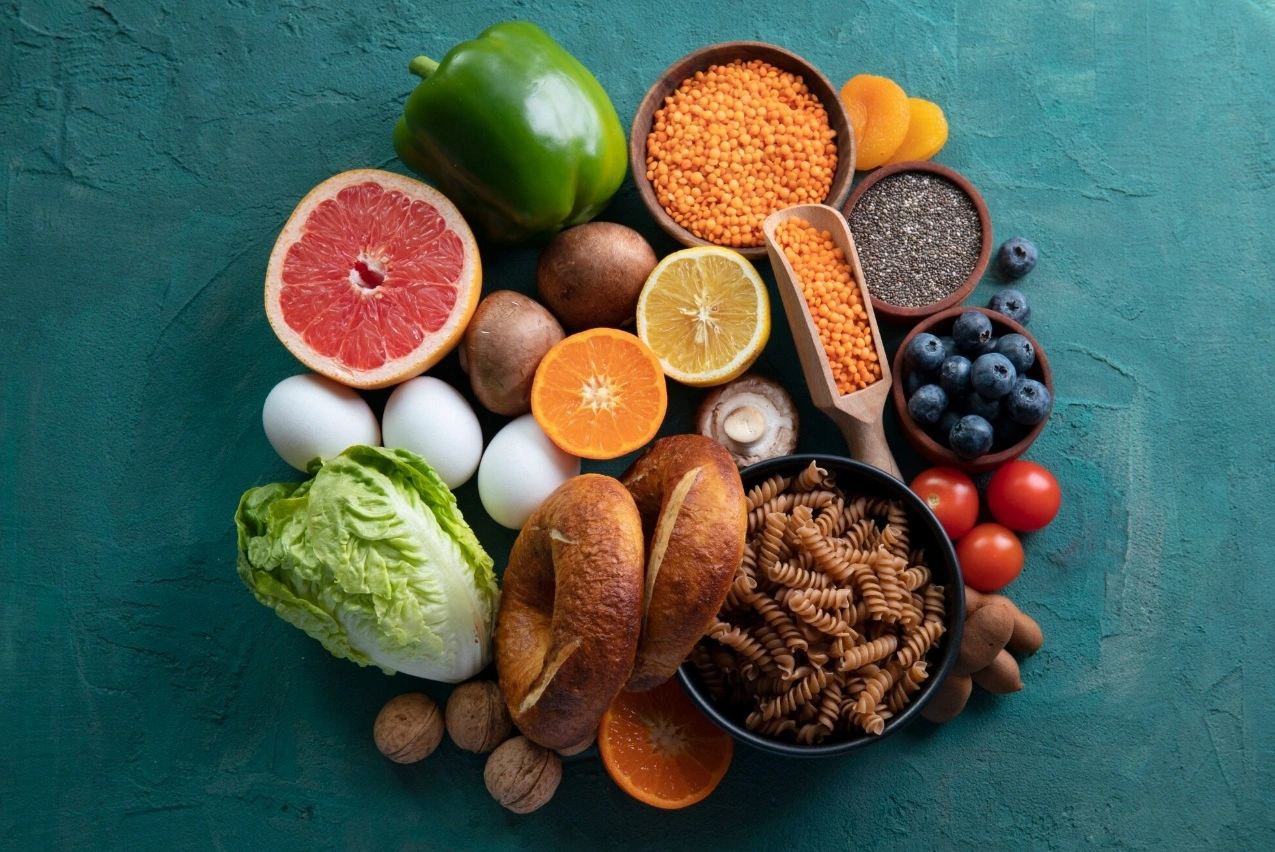
Foods with high fiber are usually recommended for digestive health, blood sugar control, cholesterol management, and satiety.
Some of the highest fiber foods include psyllium husk, chia seeds, flaxseeds, artichokes, avocados, almonds, raspberries, and blackberries.
While some individuals thrive on higher-fiber diets, others report improved digestive comfort when consuming less fiber.
If you are on a Low-Carb Diet and are trying to increase your fiber intake, you can consume avocados, chia seeds, flaxseeds, nuts, berries, and low-carb vegetables.
The most adequate fiber intake is personalized and should be based on your digestive health, personal tolerance, and dietary goals.
Let’s find answers to the most frequently asked questions about foods with high fiber.
Learn More: The Benefits of Raw Dairy + Risks for The Carnivore Diet
Psyllium husk is one of the highest-fiber foods, providing more than 80 grams of fiber per 100 grams.
Psyllium husk, chia seeds, flaxseeds, wheat bran, artichokes, avocados, almonds, raspberries, blackberries, and Brussels sprouts.
Raspberries, blackberries, avocados, pears, and passion fruit are some of the richest sources of fiber.
Learn More: The Carnivore Diet & Fruits: Can I Eat Fruits on Carnivore?
Artichokes, Brussels sprouts, broccoli, green peas, cabbage, cauliflower, asparagus, and kale.
Yes, many Keto-friendly foods contain high amounts of fiber. A carefully planned Ketogenic Diet can provide high amounts of fiber and low carbohydrate levels.
Not necessarily. Some people experience temporary digestive changes when transitioning to a Low-Carb Diet. Constipation can also be caused by dehydration, electrolyte imbalances, low physical activity, medications, and inadequate calorie intake.
Learn More: Top Digestive Enzyme Supplements for Gas on a Carnivore Diet
Fiber can increase stool bulk and promote regularity for many people. However, bowel movement frequency alone does not always indicate digestive health.
People consuming less food volume often produce less waste and may have fewer bowel movements without being constipated.
No, fiber is not an essential nutrient in the same way as protein, fats, vitamins, or minerals because no specific deficiency disease results from inadequate fiber intake.
No, while enough fiber can be useful, very high fiber intake may cause bloating, gas, abdominal discomfort, excessive fullness, and digestive distress in sensitive individuals.
Learn More: Low-Carb Anti Inflammatory Diet Meals to Reduce Inflammation
Psyllium husk, chia seeds, flaxseeds, avocados, almonds, raspberries, blackberries, broccoli, and Brussels sprouts.
You may experience constipation, hard stools, reduced feelings of fullness, and lower intake of fiber-rich plant foods. However, digestive health depends on multiple factors, including hydration, activity levels, total food intake, and diet quality.
Note
This article was reviewed using current nutrition research and practical experience from low-carb and ketogenic diets. The goal is to provide balanced, evidence-based information regarding fiber intake while acknowledging that individual responses to dietary fiber can vary significantly.
Rather than promoting a one-size-fits-all approach, this guide examines both the conventional view and the low-carb perspective to help readers make informed dietary decisions. Always consult qualified healthcare professionals before adding or removing fiber and other nutrients.