Many people are attracted to the Animal Based Diet to improve energy, blood sugar levels, body composition, digestion, appetite, and metabolic health. It is not just a new trend, but an approach supported by various health experts because they believe mixing nutritious animal-based foods and whole foods and avoiding ultra-processed foods can improve health in many ways. Let’s learn what these health benefits are, what you can eat, and what you need to be aware of before starting an Animal-Based Diet.
The Animal Based Diet is all about consuming whole-food animal products, such as:
It can also include some carbohydrate sources, such as low-carb fruits, honey, maple syrup, and white rice or squash.
The core idea of this diet is simple. You are going to improve your health by consuming highly bioavailable animal nutrition while minimizing ultra-processed modern foods.
It is not a strict rule-based diet, but rather a simple approach that makes you prioritize nutrients. So, you are eating smart, not just to feel full but to gain the necessary nutrients.
Learn More: The Best Beef Organ Supplements 2026 for Immunity & Hormones
There is no single macro ratio for the animal based diet. Carbohydrate intake can vary significantly depending on your activity level, goals, and the foods you eat and avoid.
However, many people source their daily calories according to this ratio:
Athletes and active individuals sometimes consume more carbohydrates from fruit and honey to support performance and recovery.
Please note that these ratios change based on the type of the animal based diet you are following.
There are different kinds of animal-based diets based on your metabolic flexibility and the number of carbohydrates you can cut from your meals daily.
Learn More: 7-Day High Protein Diet Meal Plan to Build Muscle & Lose Fat
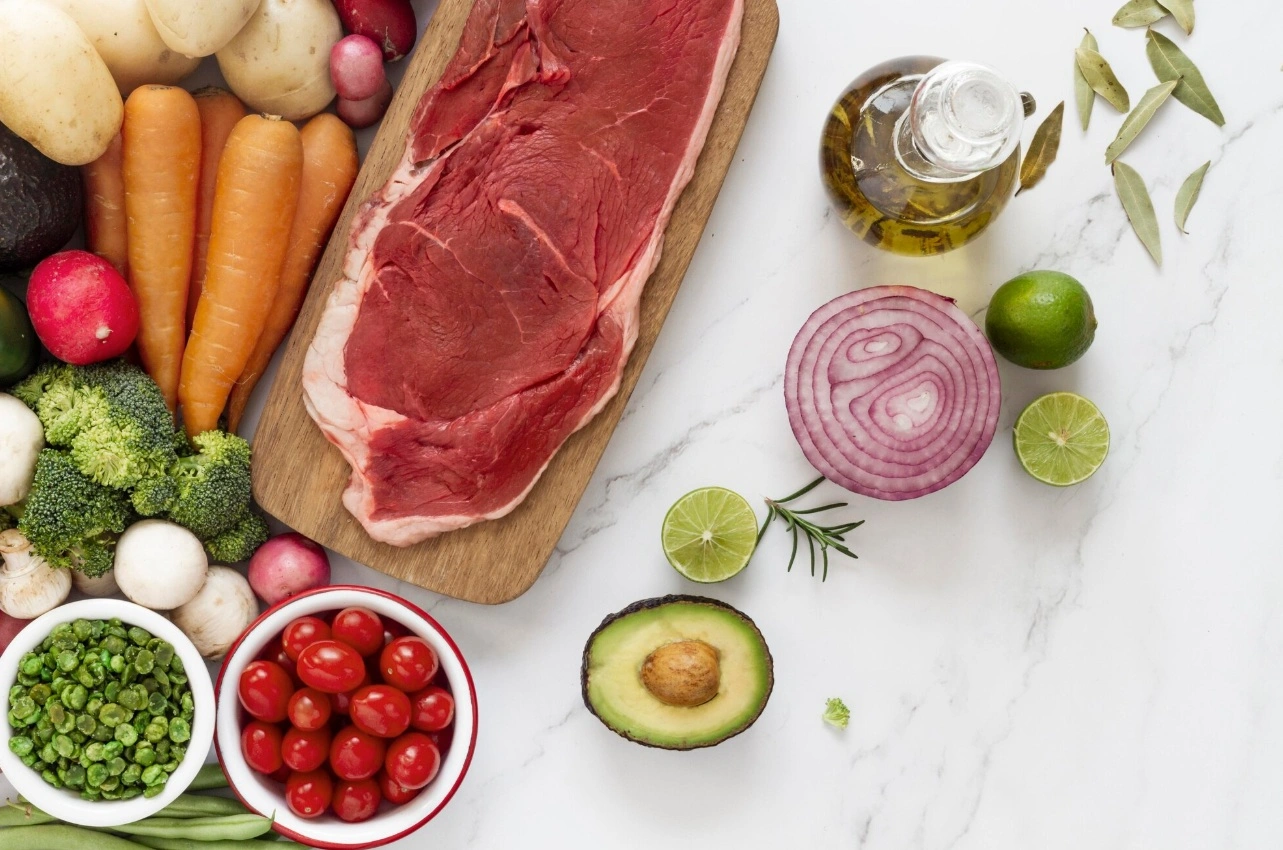
There are different variations of the animal based diet. The Primal Diet, the Low-Carb Diet, the Keto Diet, the Paleo Diet, the Ketovore Diet, and the Carnivore Diet are all animal-based diets.
It is a comprehensive diet that includes Low-Carb, Keto, and Carnivore Diets. The Primal Diet includes a spectrum that focuses on lowering carbohydrates and increasing fat and protein gradually.
It is one of the easiest animal-based diets, especially for those who are just starting to lower their carbohydrate intake.
On a low-carb, animal-based diet, you can consume all foods coming from animal sources, plus some carbohydrates.
The goal of a Low-Carb Diet is progress, not perfection. You start to find healthier eating habits and substitute high-carb foods with lower-carb alternatives. Learn more about the Low-Carb Diet and Low-Carb Diet Meal Plan.
When you get used to lower-carb foods, you can step into the Keto Diet by limiting your carbohydrate intake to less than 50% of your daily calories.
While you limit carbohydrates gradually, you add more protein and fat sources to your meal plan so your body learns to burn fat instead of carbohydrates.
This state is called ketosis and is one of the main reasons for melting fat and losing weight on an animal-based diet.
Keto, as an animal-based diet, allows all animal products, but also some carbohydrates. Learn more about the Keto Diet and the Keto Diet Meal Plan.
This diet works like a transition from Keto to Carnivore. On this diet, you need to lower your carbohydrate intake to about 20-35% of your daily calories. Learn more about the Ketovore Diet and its meal plan.
The Carnivore Diet excludes all plant-based products and takes ketosis and health benefits to the next level. On this diet, you consume almost zero or less than 5% carbohydrates daily.
Most of your daily calories should come from fat (70-85%) and protein (15-25%), so that your body can maintain ketosis, manage blood sugar levels, reduce insulin resistance, and lower inflammation.
Learn more about the Carnivore Diet and the Carnivore Diet Meal Plan.
This diet allows both animal-based products and some plant-based foods, but not dairy. The level of carbohydrates you can consume on a Paleo Diet is moderate.
To get a general idea of the most common animal-based diets, you can check the table below.
Learn More: Carnivore Diet vs Paleo Diet: What Are The Differences?
What you can eat on an animal based diet depends on the version of the diet you are following and your daily macronutrient limits, or the number of carbohydrates you are allowed each day.
The foundation of the Animal Based Diet is nutritious animal foods. These foods provide highly bioavailable protein, vitamins, minerals, and fats that are difficult to obtain in the same amounts from processed or plant-based foods.
Animal-based foods provide complete amino acids, highly absorbable minerals, fat-soluble vitamins, essential fatty acids, creatine, and carnosine.
Ruminant meats like beef and lamb are the core foods on animal based diets because they are naturally rich in:
Eggs, seafood, dairy, and organ meats are other highly nutritious foods you can eat on an animal based diet. Let’s take a look at some of the best animal-based food sources.
Learn More: 30-Day Carnivore Diet Meal Plan PDF (Downloadable File)
The table below shows some of the best foods you can add to your animal-based diet meal plan.
Many people try to consume grass-fed beef, pasture-raised eggs, wild-caught seafood, and minimally processed foods whenever possible, because they are of higher quality.
Despite what many may think, the idea is not just to eat more meat, but to focus on nutrient density, food quality, and eating more simply.
In addition to the above animal-based foods, some versions of animal-based diets allow:
Some also consume honey and maple syrup because they believe these provide quick-digesting carbohydrates without the additives found in processed foods.
In addition to animal-based foods, you can consume some low-carb fruits in the early stages of an animal-based diet, for example, on a Low-Carb or Ketogenic Diet.
Learn More: Carnivore Diet Before and After Photos: Carnivore Diet Results
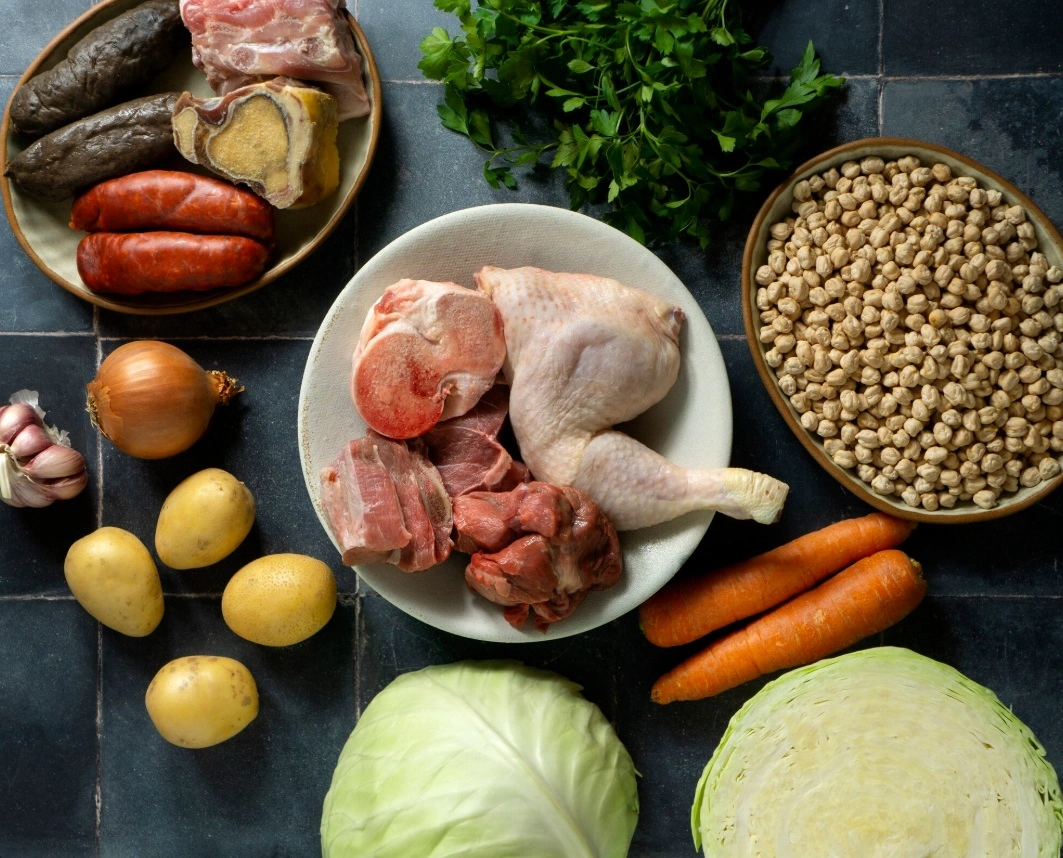
Fruit is one of the biggest differences between low-carb, animal-based, and zero-carb animal-based diets like Carnivore.
While carnivore followers avoid carbohydrates almost entirely, the low-carb animal based diet usually includes fruit as a primary carbohydrate source.
One of the main reasons to include fruits is that it can be difficult for beginners to avoid all sources of carbohydrates all at once.
Also, supporters of adding fruits to animal-based diets believe that many fruits help glycogen replenishment and are:
The most common fruits on the animal-based diet include:
Learn More: Carnivore Diet Pork Stroganoff A More Affordable Alternative
While the foods you consume on an animal based diet highly depend on the version of the diet you are on, here is a sample 7-day animal based diet meal plan.
You can use it as a general guide and tweak it based on your macronutrient needs and carb limitations.
To make these meals, you can use the following grocery list and go shopping for your animal based diet without forgetting any ingredient!
The animal based diet usually removes highly processed foods and industrial ingredients that are commonly found in modern diets. This is because processed foods can lead to:
So, to avoid these health problems, you need to avoid the following foods on most animal-based diets:
Many followers also limit:
The reason to avoid these plant-based products is that some plant foods contain compounds like oxalates, lectins, and phytates that many individuals cannot tolerate.
Going on animal-based diets and avoiding high-carbohydrate and plant-based foods naturally removes plant toxins from your meal plan and leads to different health benefits.

The main benefits you can get from animal-based diets are mainly linked to improving food quality and reducing your intake of processed foods, which can lead to [1]:
Animal-based foods are rich sources of high-quality protein and provide highly bioavailable protein. Protein supports muscle growth, metabolism, satiety, and recovery.
Learn More: Can Insulin Resistance Be Reversed on a Carnivore Diet? How?
Eating high-carbohydrate foods suddenly spikes blood sugar levels and then drops, which can lead to insulin resistance and diabetes over time.
However, low-carb and high-protein foods, such as those coming from animals, provide steady energy and do not fluctuate blood sugar levels.
So, going on an animal-based diet and eating fewer refined carbohydrates helps improve [2] [3]:
Since carbohydrates lead to blood sugar spikes, you feel full for a short time and feel hungry again soon after. However, protein and fat increase fullness through signaling GLP-1 and PYY hormones, which can reduce overeating [4] [5].
Learn More: Low Carb PCOS Diet: Does It Really Help PCOS and Hormones?
Removing ultra-processed foods from your meal plan helps improve inflammation markers, cravings, and energy levels.
As you consume fewer plant-based foods, you will feel less bloating, improved IBS symptoms, and better digestion [6].
Despite these health benefits, there are certain blood work changes that you need to consider before starting a new diet, especially if you are dealing with underlying health conditions.
Learn More: Carnivore Diet Blood Work: What Are Normal & Optimal Rates?
Blood work responses vary significantly among individuals on the animal based diet. Some people report improvements in:
Yet others may experience increases in LDL cholesterol, ApoB, or total cholesterol.
So, it is wise to consult a healthcare professional before starting any new diet and take the necessary tests to ensure it aligns with your health status and goals.
While the healthcare professionals can give you personalized advice, you can monitor the following biomarkers or ask your healthcare provider for the tests related to these biomarkers.
Learn More: Carnivore Diet and Cholesterol: Everything You Should Know
The table below shows the most common biomarkers you can monitor on an animal based diet and the reason why they matter.
Please note that rather than focusing on a single lab value, it is important to evaluate overall health markers and discuss changes with a qualified healthcare professional.
Some individuals experience temporary symptoms during the first few weeks as the body adapts to dietary changes. These side effects usually fade away as your body gets used to the new eating habits.
However, you can ask medical professionals for personalized help if the side effects or symptoms linger more than a week or two.
The most common side effects can include:
These symptoms are usually related to:
Most adaptation symptoms improve with proper hydration, adequate calories, and balanced nutrition.
Learn More: Carnivore Diet Thyroid: Is Carnivore Bad for Thyroid Health?
People usually try an animal based diet because they want a simpler, higher-protein way of eating focused on whole foods rather than high-calorie processed foods.
Let’s take a look at the table below that shows the goals you can achieve by following an animal-based diet.
However, if you are among the following individuals, you need to be careful about starting an animal based diet and consult your healthcare provider before changing your eating habits.
Learn More: Visceral Fat: What Is It & How to Lose It on Carnivore Diet?
Not everyone needs supplements on an animal based diet, especially if food quality is high. However, some individuals consider supplements depending on lifestyle, training intensity, and nutrient intake.
Here are the most common supplements on an animal based diet, but please take them after consulting a healthcare professional to ensure you really need them.
While there are not many large long-term studies specifically on animal based diets, various research studies show that [7] [8]:
Some of the beginners fail on an animal based diet, not because the diet is wrong, but because they do not replace foods properly. Here are the tips you need to consider.
The animal based diet is a high-protein, nutrient-dense, minimally processed eating plan, which can help improve energy levels, body composition, metabolic health, and digestion.
But please remember that the most successful version of an animal based diet is always the one that is sustainable, nutrient-dense, and personalized.
Let’s answer the most frequently asked questions about an animal based diet.
Yes, you can eat low-carb fruits on an animal-based diet depending on the version of the diet you are following.
It can be. Low-Carb, Keto, Ketovore, Paleo, and Carnivore are all animal based diets. But some people consume moderate amounts of carbohydrates from fruit and honey.
Yes, especially if you replace ultra-processed foods with high-protein whole foods.
Usually, yes, if you can tolerate it, especially full-fat or minimally processed dairy.
Yes, because animal-based diets are usually rich in protein and nutritious foods that support muscle growth and recovery.
Yes, some people eat honey on an animal based diet as a carbohydrate source.
Yes, especially lower-carb animal-based diets like Keto and Carnivore. Reducing the intake of processed foods and increasing protein consumption can help reduce insulin resistance.
Long-term research on animal-based diets is still limited. Sustainability, nutrient balance, food quality, and individual health all matter. But if you follow them under the supervision of a medical professional, it is usually safe.