Beef fat plays a key role in low-carb and zero-carb diets like Keto and Carnivore. When carbohydrates are eliminated and protein intake is moderated, fat becomes the main energy source. Among all animal fats, beef fat stands out for its stability, versatility, and compatibility with meat-based diets. Unlike plant-based oils that are highly processed and prone to oxidation, beef fat is shelf-stable and has a high smoke point. But you can use beef fat in many ways other than cooking. Let’s learn how we can benefit from beef fat on a Carnivore diet.
Beef fat is the raw adipose (fatty) tissue trimmed from cattle during processing. This fat can come from multiple areas of the animal, including subcutaneous fat, kidney fat (suet), and intermuscular fat. On its own, raw beef fat is perishable and must be stored frozen or refrigerated.
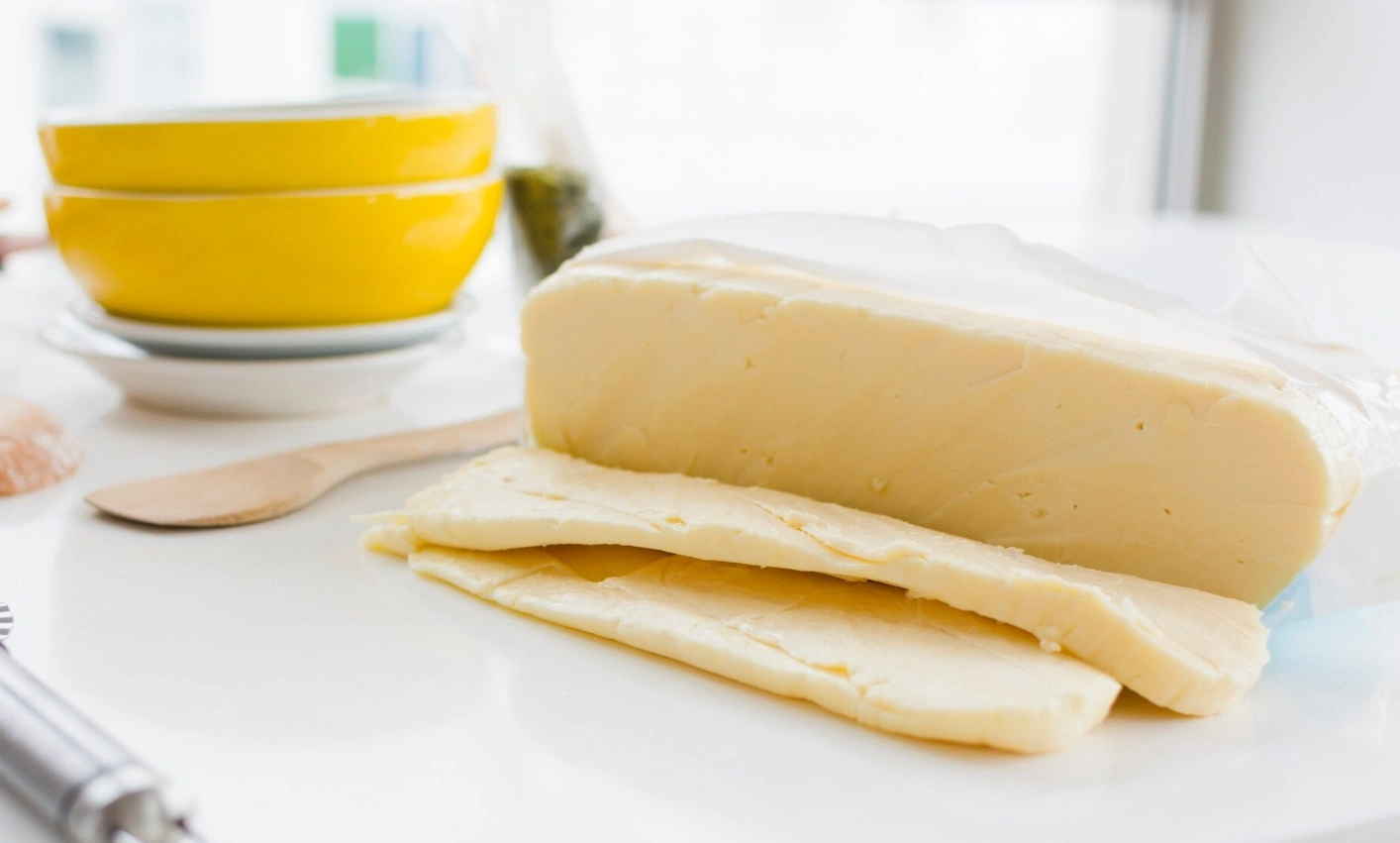
If you gently heat and strain beef fat, you get beef tallow. Tallow is the rendered form of beef fat, transformed into a clean, shelf-stable cooking fat that solidifies at room temperature. Rendering removes moisture and impurities, increasing shelf life and improving flavor.
Beef suet is a specific type of fat found around the kidneys and loins. It is especially good for rendering because it produces a firm, neutral-tasting tallow, which is good for cooking and baking.
Beef fat can have different nutrients, especially for those following low- or zero-carb, animal-based diets like the Keto and Carnivore Diet.
Learn More: Suet vs. Tallow: How Do These Dietary Fat Resources Differ?
Beef fat has almost nothing but fat, meaning that it is highly energy-dense and suitable for low-carbohydrate and Carnivore Diets.
It contains a mix of saturated, monounsaturated, and small amounts of polyunsaturated fatty acids.
Unlike many plant-based oils, beef fat contains no carbohydrates and no fiber. It provides calories exclusively from fat, which supports ketosis and fat adaptation.
The table below shows the approximate nutrients per 1 tablespoon of beef tallow (rendered beef fat).
Beef fat may also contain trace amounts of fat-soluble vitamins such as A, D, E, and K, especially when sourced from grass-fed cattle. However, these amounts vary widely and should not be relied upon as the main vitamin sources.
But trace vitamins aside, beef fat is a valuable source of energy on a Carnivore Diet for different reasons.
Learn More: Lard vs. Tallow: How To Use These Fat Sources?
Fat is the body’s main energy source on a Carnivore Diet. Without carbohydrates, the body shifts toward burning fatty acids and ketones to provide energy. Beef fat supplies this energy efficiently.
So, in low-carb or zero-carb diets like Keto or Carnivore, fat becomes:
If protein is too high without enough fat, your body can struggle to convert that protein into usable energy efficiently. That is when people feel:
This is why Carnivore is not just about eating meat but eating fatty meat.
Beef fat is also naturally low in inflammatory omega-6 fats compared to many seed oils. This fatty acid profile aligns well with the Carnivore Diet rules for minimizing processed foods and modern industrial oils.
Additionally, beef fat boosts satiety. Meals containing sufficient fat are more filling, helping reduce hunger between meals and making it easier to stick to the diet for the long term.
So, consuming beef fat on a Carnivore Diet offers the following benefits:
Learn More: Is Beef Tallow Healthier Than Butter? How Do They Differ?
Choosing the right fat is important on a Carnivore Diet because fats behave differently in the body. Generally, those on a Carnivore Diet do best with fats that are:
This is where beef fat comes into play.
Beef fat is mostly saturated and monounsaturated fat.
As mentioned earlier, beef fat is low in omega-6 compared to pork or chicken fat, which matters because excess omega-6 can promote inflammation, especially when carbs are low and fat intake is high, like in a Carnivore Diet.
Learn More: Is Beef Tallow Healthier Than Vegetable Oil?
Beef fat does not oxidize easily, which means:
Tallow, suet, and marbled beef are very stable at high heat.
Beef fat and beef protein come together in nature for a reason. Fatty cuts like ribeye, chuck, brisket, and short ribs provide a natural fat-to-protein ratio that helps prevent:
Lean meat + added fat can work, but many people feel best when the fat is already built in.
Beef fat slows digestion, triggers fullness hormones, and reduces cravings even without carbohydrates. That is why a fatty ribeye can keep you full for hours, while lean steak makes you hungry again way too soon.
Learn More: Ghee vs. Tallow: From Cooking to Skincare
On a Carnivore Diet, the issues that are usually blamed on adaptation are actually fat problems.
So, on the Carnivore Diet, protein builds the body, but fat runs the body. And beef fat, especially from grass-fed cattle, is the easiest to digest, the most stable, and the most metabolically easy.
Comparing beef fat with other cooking fats makes it a lot easier to understand why it is a better fat source for those on low-carb, animal-based diets like Carnivore.
Beef fat offers several advantages over both animal- and plant-based alternatives. Let’s take a look at its differences from other common cooking fats in the table below.
Learn More: Tallow for Skin: Is It Good? Benefits and Side Effects
Beef tallow remains stable under high heat and resists oxidation better than most vegetable oils. This stability makes it useful and healthier for frying, roasting, and searing.
To use beef fat on a Carnivore Diet, you first need to learn how to render it to reach pure and clear fat.
Rendering beef fat at home is simple and requires only time and low heat. Proper rendering removes moisture and impurities, producing clean tallow with a long shelf life.
To render tallow, you need to take these steps:
When solidified, tallow can be stored at room temperature for months or refrigerated for longer storage.
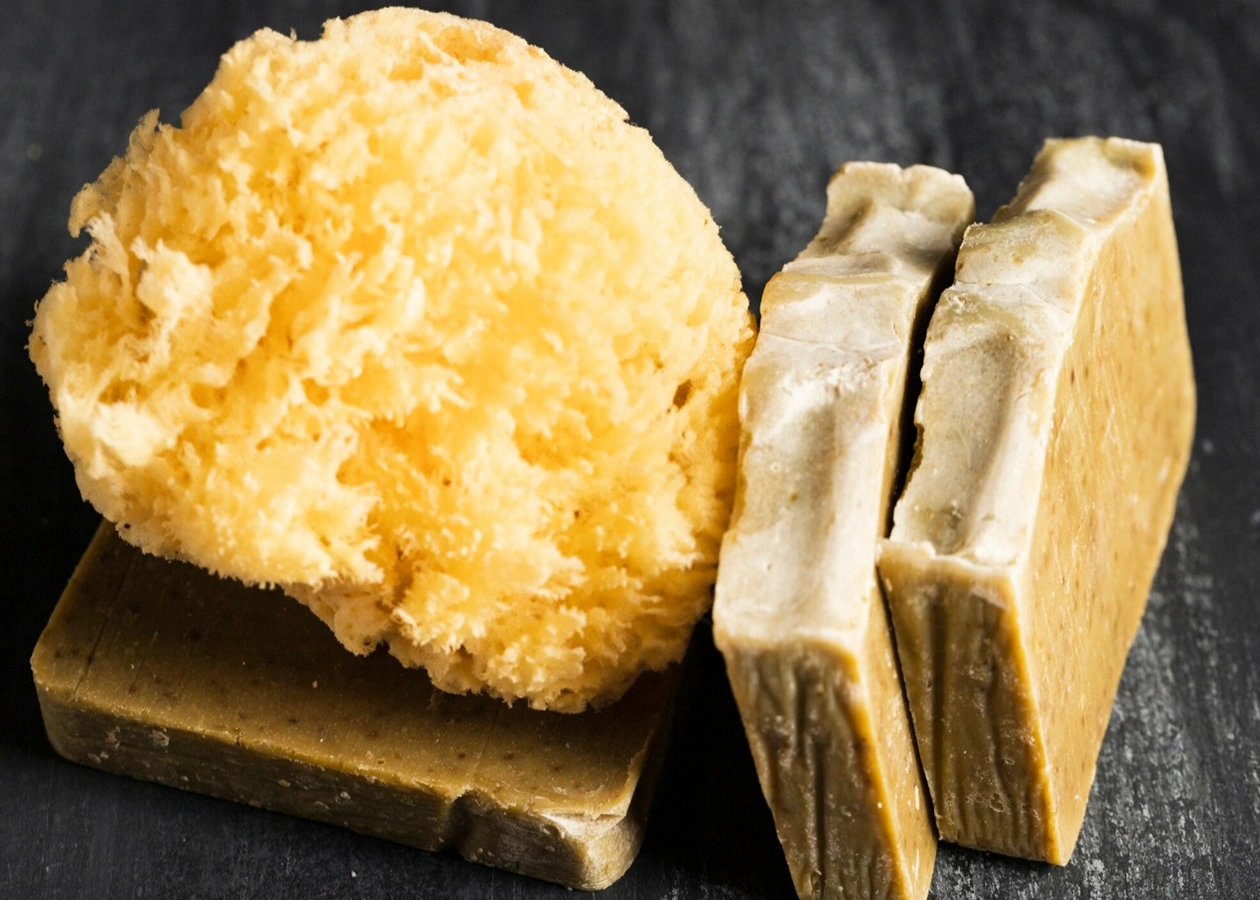
Learn More: Simple Tallow Soap Recipe: 7 Recipes to Try at Home
Beef fat is one of the most versatile ingredients you can use on a Carnivore Diet. It can be used in nearly every cooking recipe. But uses of beef fat are not just about cooking.
Check out some of the best Primal Beef Tallow Products.
Let’s check some easy, yummy, and nutritious Carnivore Diet Recipes with beef fat.
Learn More: The Benefits of Tallow for Skin
You can use beef fat in almost all Carnivore Diet dishes, depending on the recipe and your taste. Here are some of the most common Carnivore dishes containing beef fat.
In about 12 minutes, you can make a serving of yummy tallow-fried steak bites, using the following simple ingredients and instructions.
Ingredients:
Instructions:
Nutrients per Serving:
Calories: 650 kcal | Protein: 45 g | Fat: 52 g | Saturated Fat: 22 g | Cholesterol: 165 mg | Carbohydrates: 0 g
Learn More: Does Tallow Cure Eczema? Tallow Soap and Balm for Eczema
You can make a serving of Carnivore ground beef bowl in about 12 minutes, using the ingredients and instructions given below.
Ingredients:
Instructions:
Nutrients per Serving:
Calories: 1300 kcal | Protein: 85 g | Fat: 100 g | Saturated Fat: 40 g | Cholesterol: 330 mg | Carbohydrates: 0 g
Learn More: Beef Tallow for Cooking Healthy & Yummy Carnivore Diet Foods
In about 7 minutes, you can make a serving of the nutritious fat-boosted bone broth using the following ingredients and instructions.
Ingredients:
Instructions:
Nutrients per Serving (with 2 tbsp tallow):
Calories: 260 kcal | Protein: 9 g | Fat: 28 g | Saturated Fat: 12 g | Cholesterol: 35 mg | Carbohydrates: 0 g
There is no universal amount that works for everyone. Your needs depend on your activity level, metabolism, and body composition.
However, many of those on a Carnivore Diet aim for:
Signs that show you may need more fat include low energy, constant hunger, and dry stools. Signs you may need less fat include nausea or digestive discomfort.
You can simply use this free Carnivore Macro Calculator to find the right balance of macros based on your age, gender, and activity level.
Some people still avoid beef fat due to the outdated fear of saturated fat. Modern research continues to evolve; many studies find no evidence of relations between fat consumption and heart problems, and many people tolerate animal fats well.
However, quality matters. Choose beef fat from healthy animals and avoid rancid or overheated fats. Individuals with specific medical conditions should consult a healthcare professional before making major dietary changes.
Learn More: 5 Best Keto Fat Bombs with Recipes: Why and When to Use Them
When shopping for beef fat, look for:
Many local farms, butcher shops, and online farms sell beef fat or suet.
Beef fat is one of the most valuable food sources on a Carnivore Diet. It provides clean energy, supports ketosis, improves meals, and brings cooking versatility and variety.
Whether rendered into tallow or used directly in cooking, beef fat deserves a central place in any Carnivore kitchen.
Let’s find answers to the most frequently asked questions about consuming beef fat on a Carnivore Diet.
Learn More: The Best Carnivore Diet Ground Beef Recipes [Experts Use]
No. Beef fat is raw. Tallow is rendered beef fat.
It is safer and more palatable when rendered.
It varies from person to person. Many of those on a Carnivore Diet report stable or improved markers.
Both are Carnivore-friendly, but beef fat is dairy-free and has a higher smoke point.
Many people follow meat-only or lion diets using beef fat as the main energy source.
It can last 6-12 months at room temperature if properly rendered and sealed.
Yes, it contains a better omega-3 to omega-6 ratio.
Yes, it can support fat loss by increasing satiety and reducing cravings.