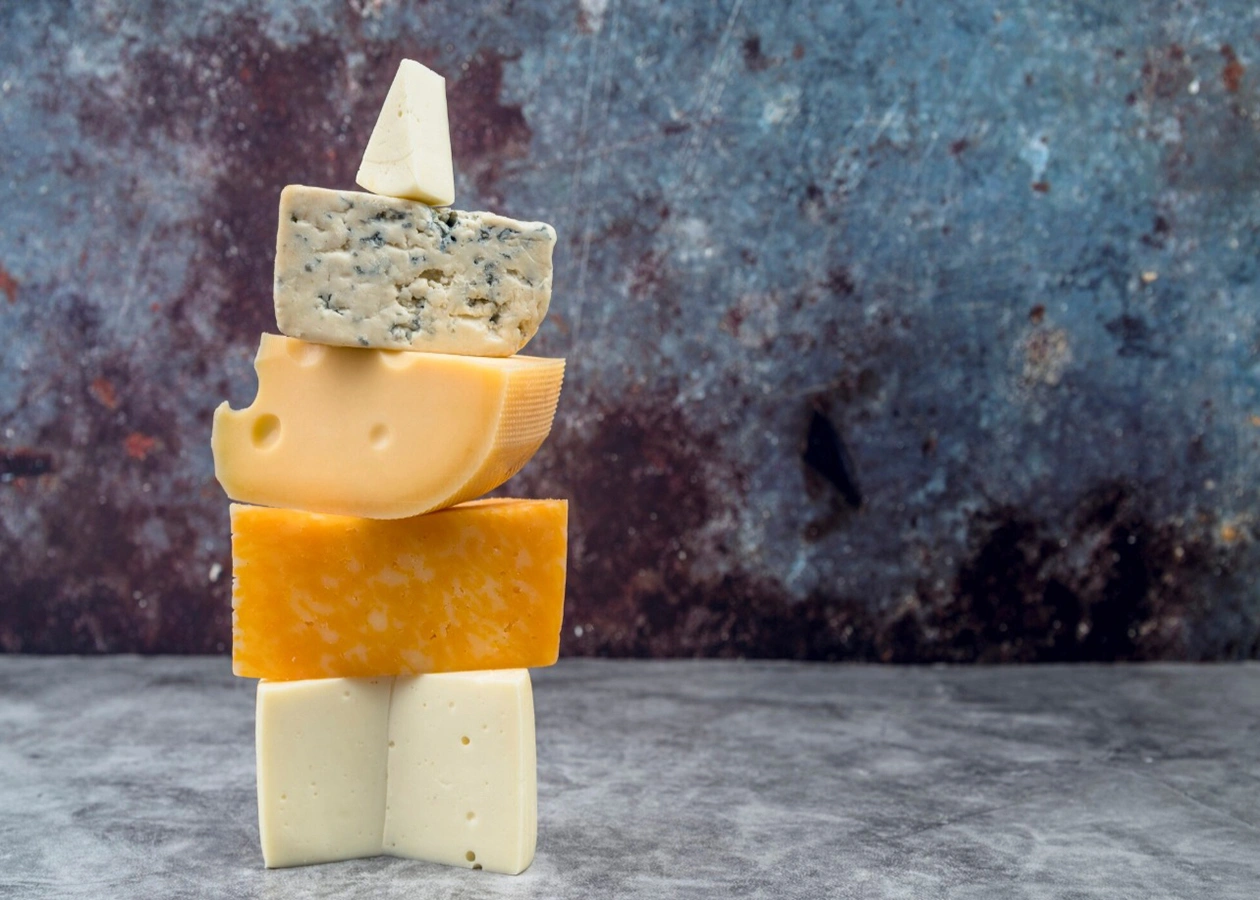
If you have ever grated a nutty, crystalline Parmesan over your steak or enjoyed a sharp slice of aged Cheddar, you already know there is something special about hard cheeses. These firm, rich cheeses have been used for centuries for their taste, shelf life, and nutrient density. Hard cheese can be a part of various Carnivore and Keto dishes. Let’s learn how to choose high-quality hard cheeses, how they are made, and how to use them in a low- or zero-carb diet like Carnivore.
Cheese, whether hard or soft, is made from four ingredients: milk (from cow, sheep, or goat), starter bacterial cultures, rennet or an enzyme, and salt.
These ingredients cause the curdling of milk, the separation of whey, and the formation of curds. From there, the process goes two separate ways depending on the style of cheese, hard or soft.
Learn More: Can I Eat Cheese on Carnivore Diet? The Best & Worst Cheese
When someone asks, “What is hard cheese?”, we are referring to more than just cheese that is hard to the touch. Cheeses are classified based on moisture content, age, processing, and texture [1].
This is how hard cheeses are made:
Understanding this helps you shop the right type of cheese, which is super important for those on a low-carb diet like Carnivore. The words “12 mths” or “24 mths” on the cheese label show a true hard cheese.
Also, label simplicity (just milk, salt, enzymes) is a strong sign of minimal processing and high quality. The table below summarizes the main features of hard cheeses.
In addition to hard cheeses, there is a category of semi-hard cheeses. Let’s find out how they differ and whether semi-hard cheeses are also Carnivore-friendly.
Learn More: Carnivore Cheesecake Recipe: Yummy Zero- & Low-Carb Desserts
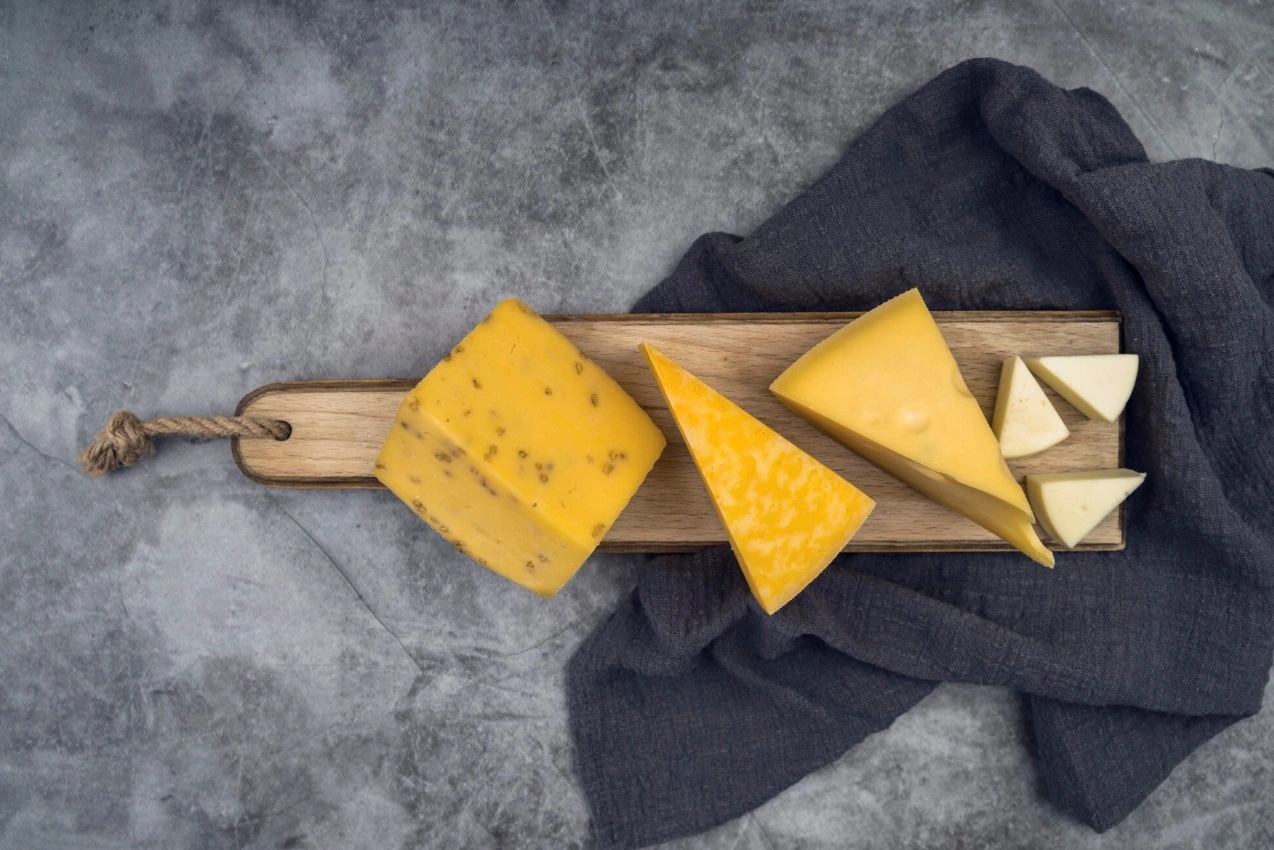
Different kinds of cheese fall on a spectrum. Semi-hard cheeses have slightly higher moisture, shorter aging, and a different texture and flavor than hard cheeses. Let’s check their differences in the table below [2].
As the table above shows, semi-hard cheeses are good for slicing, melting, and everyday use, while hard cheeses are better for grating and snacking.
On a Carnivore Diet or similar low-carb diets, where you need to watch carbohydrates and lactose, hard cheeses are better because they have lower lactose due to longer aging.
They also have higher flavor per gram, meaning you can use less to get maximum taste. So, let’s check the hard cheese list and find out which cheeses are categorized as hard.
Learn More: Can You Drink Milk on Carnivore Diet? What Are Pros & Cons
Generally, you can use the following hard cheese list for shopping for Carnivore-friendly cheeses. However, it is wise to check the cheese’s label to ensure it is low- or zero-carb.
As the table shows, cheese from sheep- or goat-milk, like Manchego, has a more complex taste. Also, the longer the cheese ages, the more depth, the firmer the texture, and the more crystals it has.
So, aging is not just about flavor. It also affects digestibility, shelf-life, texture, and nutrient concentration.
Learn More: High Protein Lasagna Recipe with Cottage Cheese for Keto
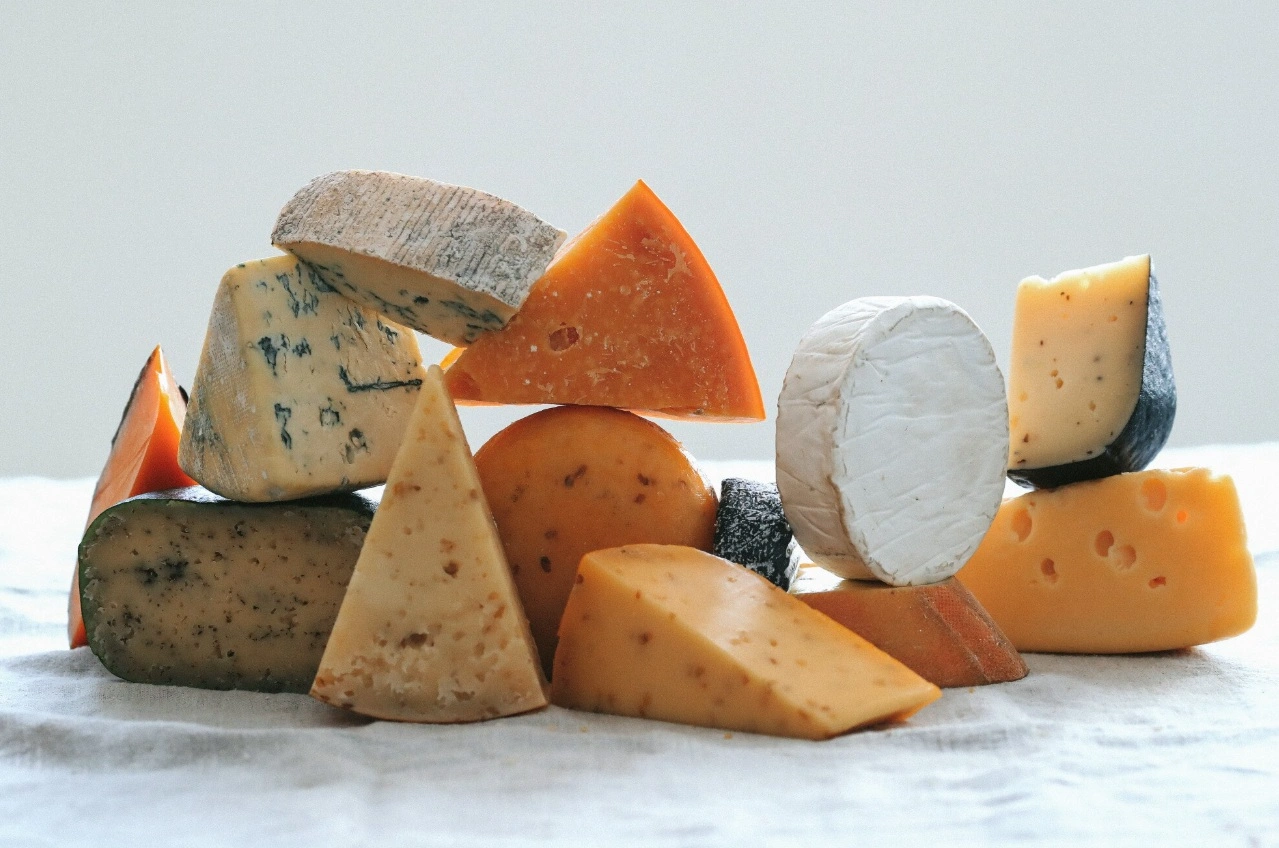
Aging or affinage is the transformative phase that turns the young curd into the full-fledged hard cheese. During this time, three major changes happen: moisture loss, flavor concentration, and texture evolution [3] [4].
Learn More: Alcohol on Carnivore Diet: The Best and Worst Beverages
As the cheese loses moisture, it becomes firmer and denser. Low moisture reduces microbial activity, increases shelf life, and leads to that dense, sometimes crumbly or crystalline texture of hard cheeses [5].
Proteins and fats break down over time into amino acids, fatty acids, and flavor compounds, which result in nutty, caramelized, umami-rich notes in cheese.
The presence of tyrosine crystals, the white crunchy bits you may see, is a sign of long-aged cheese.
As aged hard cheese has less lactose because bacterial cultures consume it during aging, many people who struggle with lactose tolerate hard cheese better.
Additionally, aged cheeses retain high levels of protein, calcium, vitamins (A, K2, B12), and minerals. For example, some aged cheeses contain about 7 g of protein and 10 g of fat per 30 g serving [6].
These features make hard cheeses the best kind of cheese you can consume on a low-carb or zero-carb diet like Keto and Carnivore.
Learn More: 20 Best Grass Fed Butter Brands and Why They Are the Best

For those following a Low-Carb, Ketogenic, or Carnivore Diet, hard cheeses can be a proper food source. Because of their low moisture and long aging, many hard cheeses contain zero carbohydrates and very low lactose.
Learn all about Cheese on Carnivore Diet: Benefits, Risks, and Best Choices.
The aging process lowers lactose significantly, and many aged hard cheeses contain <0.1 g of carbohydrates per ounce. They also contain Carnivore macros: fat and protein.
Hard cheeses can also substitute part of the fat/protein component; for example, on steak, in eggs, or as a snack, which makes them very convenient.
Additionally, since hard cheeses are drier and more stable, they last longer in the fridge, which makes meal prep a lot easier.
However, while hard cheeses are low or zero in carbohydrates, they still contain calories and are high in saturated fat/sodium, so portion size matters.
Some individuals may still react to casein or the milk base, so it is wise to test how your body reacts to these kinds of cheese before adding them to your Carnivore Diet meal plan.
Also, some individuals on a zero-carb Carnivore Diet avoid dairy products. So, check with your dietitian or Carnivore Coach before using cheese.
Here is what to look for when shopping for high-quality hard cheese:
Learn More: Is Cream Cheese Keto? 5 Best Cream Cheese Brands + Recipes
Hard cheeses are versatile and can be used with many Carnivore-friendly dishes. You can use them for the following cases, or use these Carnivore Diet Recipes to find Carnivore meals with cheese.
Because hard cheeses have a concentrated taste, a small piece of them can satisfy you and your caloric needs. Usually, a 20-30 g (≈1 oz.) portion is enough.
Learn More:
Hard cheeses are Carnivore-friendly dairy products with almost zero carbohydrates and high levels of fat and protein to help you provide your daily macros.
You can consume hard cheese with various Carnivore dishes and enjoy the taste while providing the nutrients your body needs.
However, remember to check the label of the cheese before shopping to ensure it is high-quality and low in carbohydrates, without unwanted additives.
Let’s answer the most frequently asked questions about hard cheeses.
Hard cheeses are aged longer, with less moisture and a firmer texture than soft cheeses. They also have a different flavor, shelf life, and usage.
Parmigiano-Reggiano, Grana Padano, Aged Cheddar, Pecorino Romano, Manchego (Viejo) e Comté.
Yes, because aging reduces lactose and moisture, most hard cheeses contain very low carbohydrates, often <0.1 g per ounce.
Hard cheeses last significantly longer because low moisture hinders spoilage. If properly wrapped and stored, an aged hard cheese can keep for weeks or months. But soft cheeses spoil faster and need more careful handling.
Generally, yes, since long aging breaks down much of the lactose, many hard cheeses have minor lactose content. However, individual tolerance varies, so it is wise to try a small portion first.