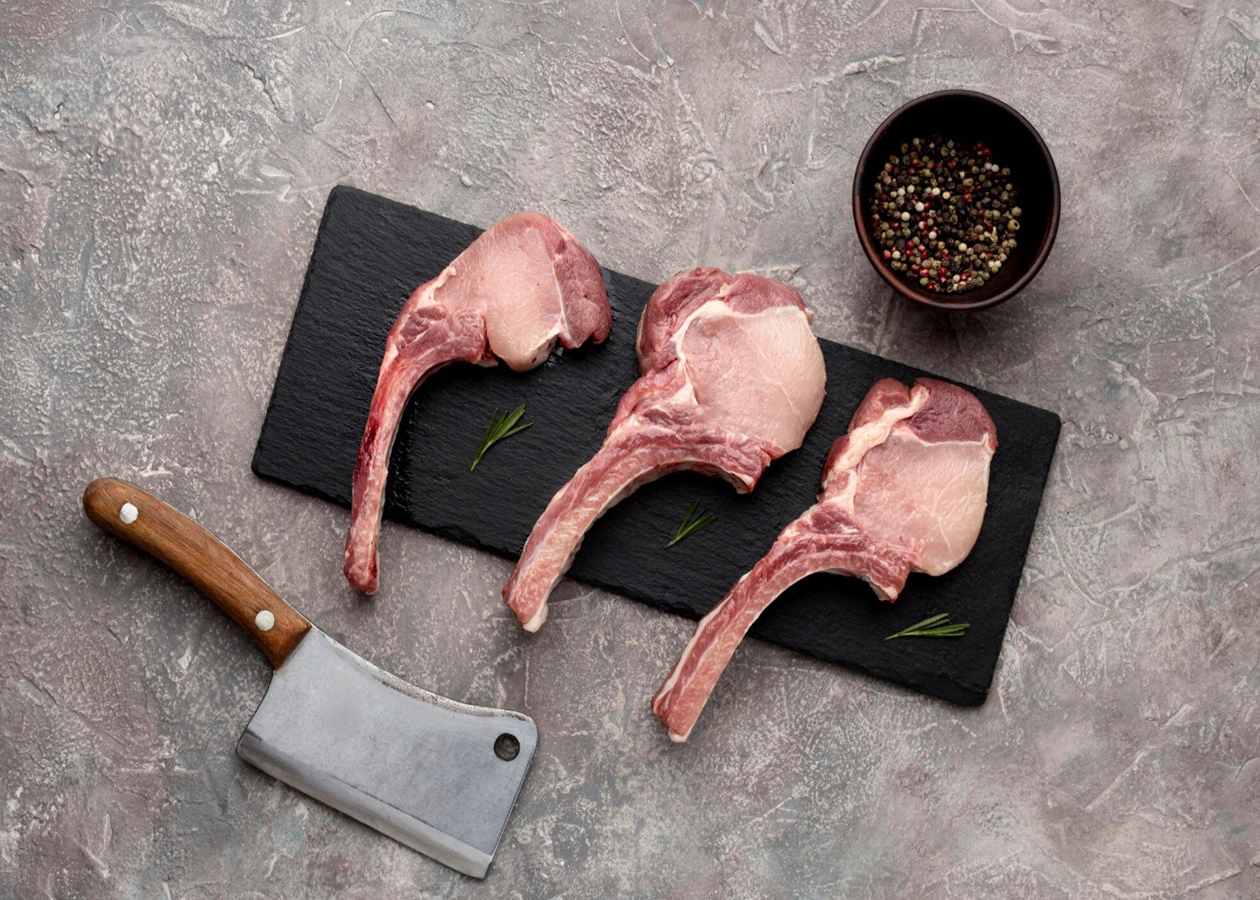
Both lamb and beef are nutritious, zero-carb food sources for Keto and Carnivore diets. Lamb is higher in fat, omega-3s, and CLA, making it slightly better for high-fat Keto or zero-carb Carnivore. Beef, however, offers more iron, zinc, and leaner cuts, which help those looking for higher protein or lower calories. But to answer, “Is lamb healthier than beef?”, we need to learn more about each meat. Let’s dig in!
To answer the question, “Is lamb healthier than beef?” and before comparing their nutrient profile, let’s clarify what we mean by lamb and beef and why the distinction matters on low-carb, high-fat diets like Keto and Carnivore.
While lamb meat, the meat from sheep less than a year old, is tender and rich in fat, beef comes from mature cattle and offers a wide range of cuts from ultra-lean to very fatty.
Both are classified as red meat and contain protein, B vitamins, and minerals like iron and zinc.
On a Keto Diet, where carbohydrates are limited to 20-50 g per day, protein and fat become your main energy sources.
On the Carnivore Diet, the focus shifts to animal-based foods, meat, eggs, and sometimes dairy, making the quality and type of meat central to your nutrition.
Both lamb and beef fit perfectly into these diets, but subtle differences in fat composition, nutrient density, and digestibility can influence which works best depending on your goals.
Learn More: The Low-Carb Diet: Your Free Beginner’s Guide
One of the main factors that helps us answer the question, “Is lamb healthier than beef?” is their nutritional profile.
The table below compares the macronutrients and micronutrients in 100 grams of cooked lamb and beef based on USDA and foodstruct data. Please note that different cuts and sources have varying values [1].
As the table shows, lamb is higher in calories and fat, while beef has slightly more protein and minerals (iron, zinc), supporting muscle growth and metabolism.
Grass-fed lamb can have up to 3x more omega-3 and CLA (conjugated linoleic acid), which help reduce inflammation and improve fat metabolism.
Both meats are zero-carb and suitable for Ketogenic and Carnivore diets.
Learn More: Speed Keto Diet: What Is It and How Does It Work?
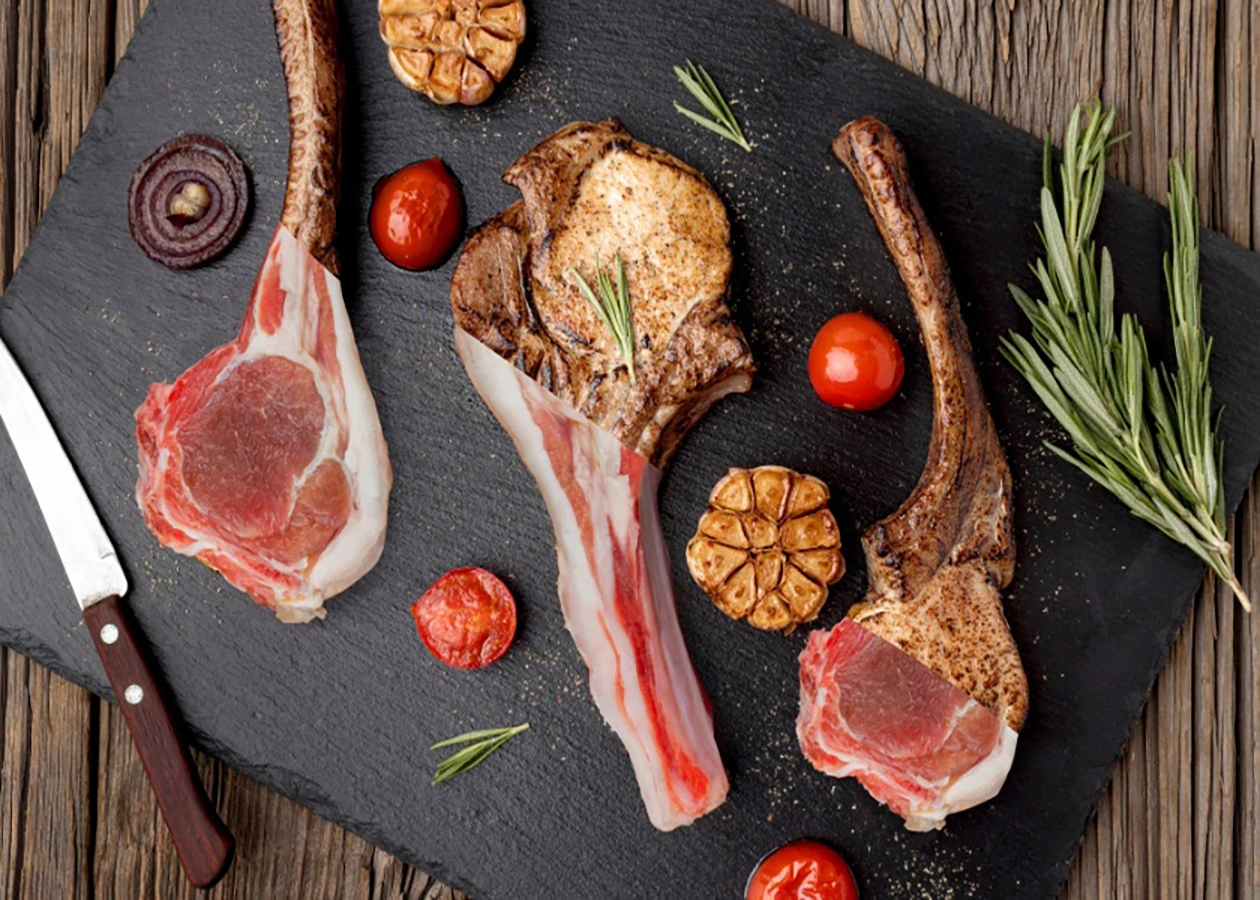
The type of fat in your meat matters more than the amount, especially if you are on a Keto and Carnivore diet, where you rely on fat for energy.
Lamb fat is naturally rich in monounsaturated fats, especially oleic acid, and CLA, a fatty acid that can help improve body composition and inflammation control. Also, grass-fed lamb is high in omega-3s [2].
However, beef fat varies widely. Grass-fed beef has omega-3s and CLA, but grain-fed beef is higher in omega-6 fatty acids.
While not naturally bad, an excessive omega-6 : omega-3 ratio can cause inflammation in some individuals [3].
So, lamb’s fatty acid profile is better for high-fat Keto or Carnivore. But if you are looking for high-protein or lean meat, beef’s leaner cuts are better.
Learn More: 15 Amazing Carnivore Diet Recipes You Haven’t Tested Before
On a Keto Diet, maintaining a fat-to-protein ratio of about 70:30 is key to staying in ketosis. On a Carnivore Diet, you can consume more fat, about 80-85% of total daily calories.
The table below shows how beef and lamb can help different diet goals.
While macros matter for ketosis, micronutrients determine long-term vitality. Both meats are complete proteins with all essential amino acids, excellent digestibility, and zero antinutrients, unlike plant proteins, but there are differences between beef and lamb.
Learn More: Why Primal Diet? 10 Science-Backed Primal Diet Benefits
Considering the health effects of lamb vs beef, we should note that factors such as meat quality, sourcing, and cut can significantly affect the results.
Learn More: 10 Low Calorie Lunch Ideas to Lose Weight on Carnivore Diet
The health impact of red meat highly depends on farming method, cut, and cooking style. Let’s see what you need to look for when buying meat for your Keto and Carnivore meals.
Learn More: Zero Carb Foods to Have on Keto and Carnivore Diets
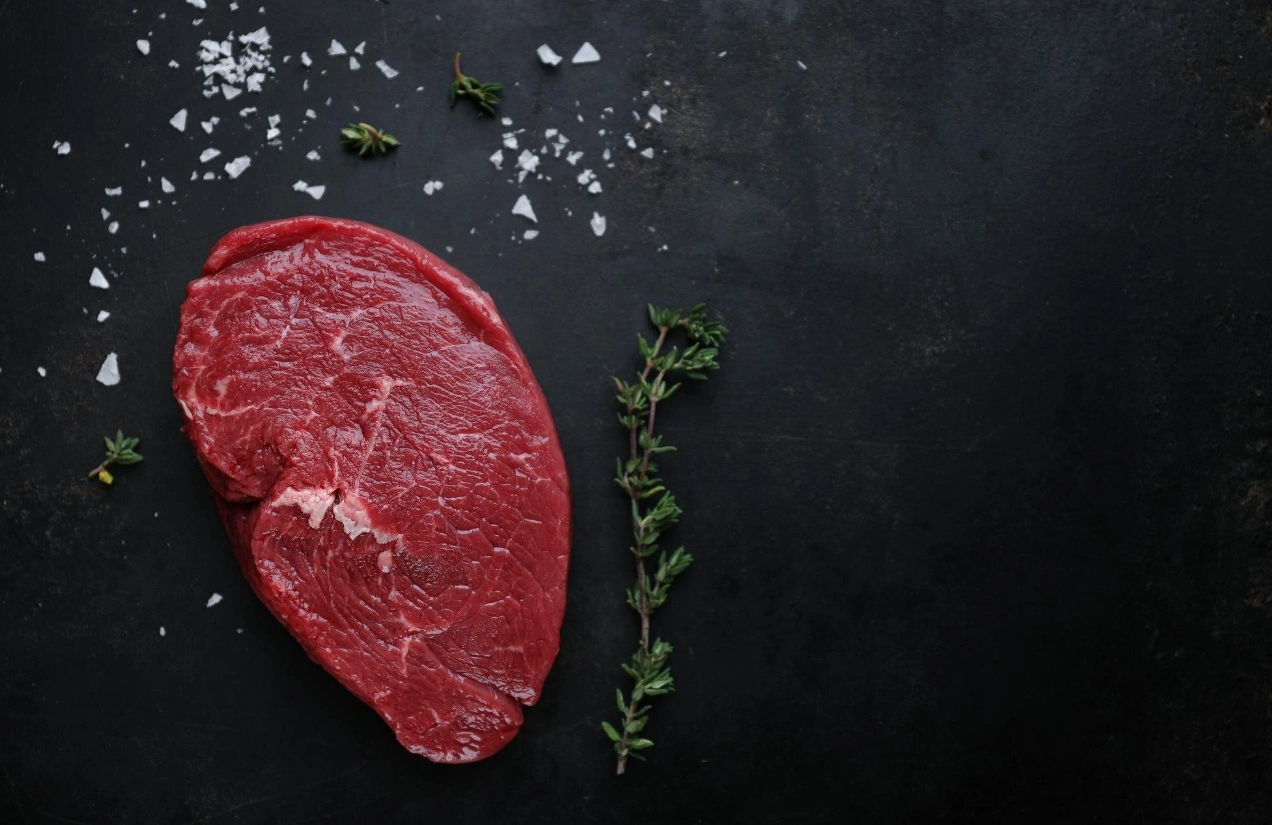
Although both beef and lamb are healthy in moderation, you need to remember the following point [6]:
Learn More: Does Meat Have Carbs? The Truths That Carnivores Should Know
So, we have learned that the answer to the question, “Is lamb healthier than beef?” is it depends on your goals, and both can be healthy and nutritious.
You can also use the following table as a checklist to choose the proper cut of meat based on your needs.
As the table shows:
Learn More: Why Lab-Grown Meat Is Bad: What Every Carnivore Should Know
So, is lamb healthier than beef? Well, it depends on your goals. If you are on a Keto or Carnivore diet, lamb’s higher fat and nutrient density make it slightly better for maintaining ketosis and long-term satiety. If you are seeking lean protein or affordability, beef remains unbeatable.
However, the best strategy is to eat both. Rotate cuts, choose grass-fed when possible, and match your meat to your macro goals.
Lamb adds flavor, fat, and CLA, while beef brings iron, accessibility, and versatility. Together, they form complete meals for a nutrient-rich, low- or zero-carb diet.
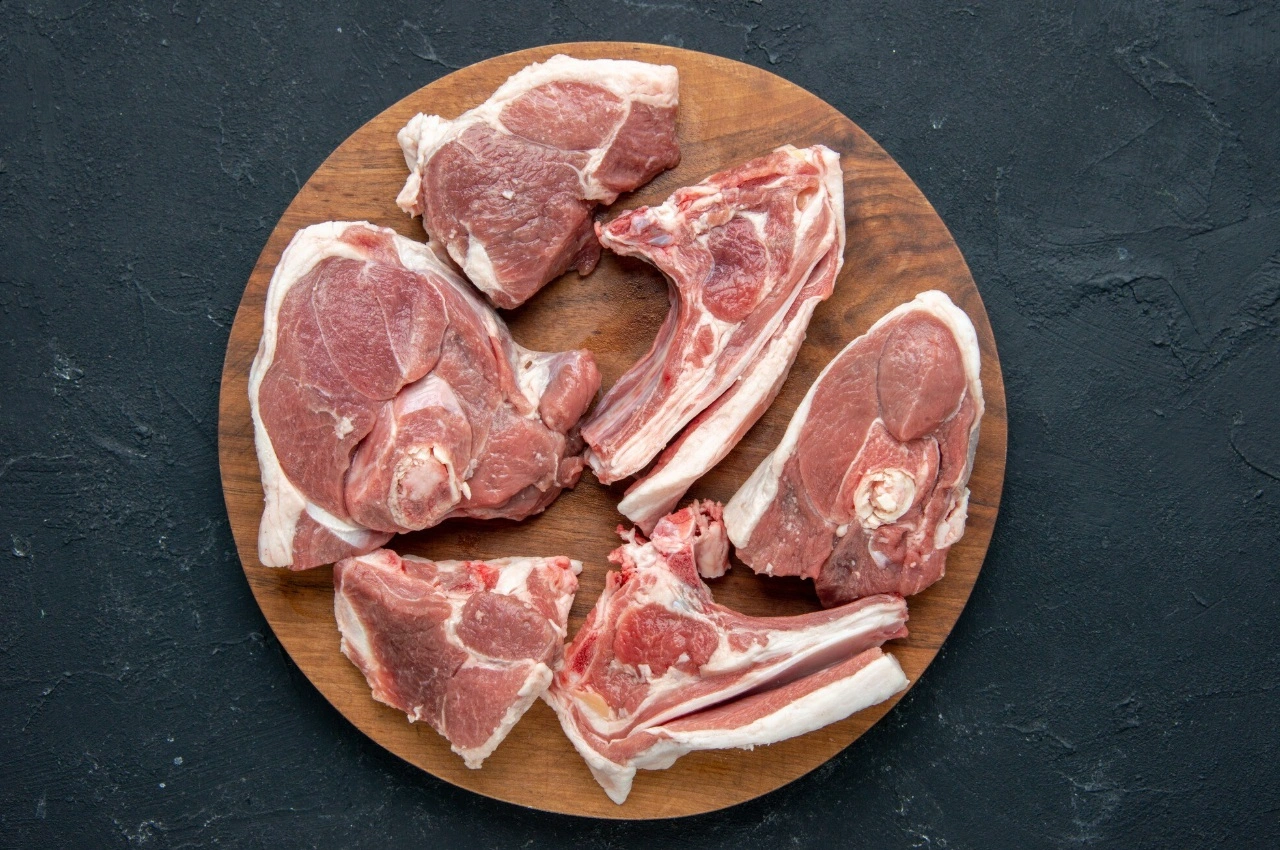
Here are the answers to the most frequently asked questions about beef and lamb.
Learn More: Goal-Based Carnivore Diet Meal Plan PDF + Variations
Yes, lamb’s higher fat content supports ketosis more easily than lean beef. Its omega-3 and CLA content also adds anti-inflammatory benefits, especially when grass-fed.
Yes, lamb is pure animal protein and fat, making it perfect for a Carnivore Diet. It is nutritious, satisfying, and generally better tolerated than beef.
Yes, ground lamb (70-80% lean) contains about 20-25 g of fat per 100 g, good for high-fat Keto meals and easy to cook into burgers or meatballs.
Beef has slightly higher protein (≈26 g vs. 25 g per 100 g), but the difference is minimal. Both are complete, high-quality proteins.
Learn More: Alcohol on Carnivore Diet: The Best and Worst Beverages
For Keto and Carnivore diets, yes, lamb can be slightly healthier due to better fatty acid balance and micronutrients. For general diets or calorie control, lean beef can be the better pick.
Yes, rotating beef and lamb improves nutrient diversity, iron from beef, selenium, and CLA from lamb, and keeps meals delicious.
Use moderate heat with animal fats, like ghee, tallow, or butter. Avoid deep-frying or heavy charring. Pan-searing, roasting, and slow-cooking preserve nutrients best.
No, both lamb and beef are zero-carb, which makes them Keto- and Carnivore-friendly.
Learn More: The Best Carnivore Diet Ground Beef Recipes [Experts Use]
For calorie control, lean beef is easier to portion. For appetite control and fat-adapted energy, lamb is better because it can help you stay full longer.
Usually, yes. Grass-fed lamb contains a better fatty acid balance and nutrient density. However, grass-fed beef can also be a good choice.