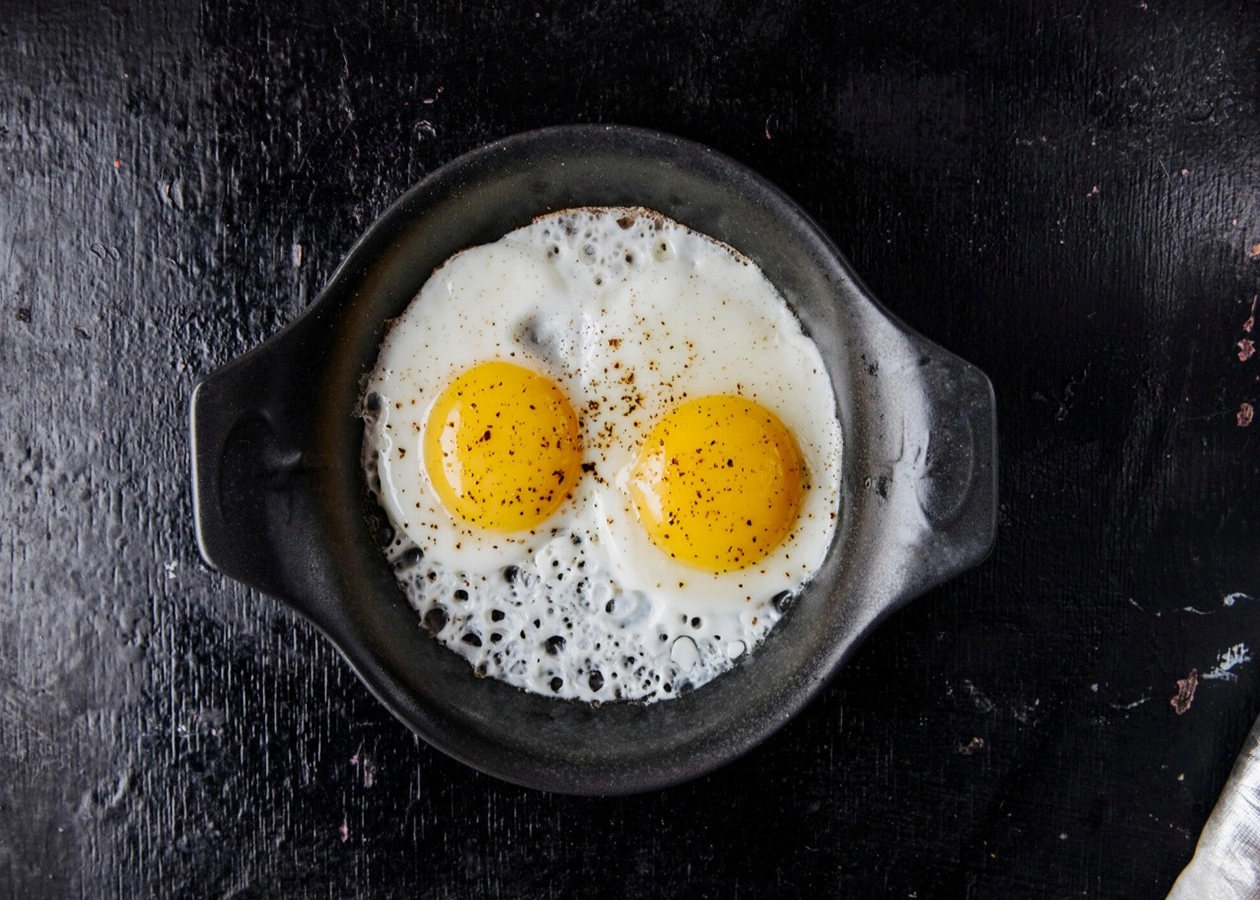
Eggs are yummy Carnivore foods, with high protein and almost no carbohydrates. You can make eggs in different ways, and you might think it doesn’t matter how you make your Carnivore eggs, but the cooking method can make a difference. Sunny side up and over easy are two popular ways of cooking eggs. But is one of them better? Let’s compare sunny side up vs over easy to learn if any of them gives a more nutritious Carnivore meal.
Eggs are easy and nutritious food sources on low-carb animal-based diets like Carnivore and Keto. They are rich in high-quality protein, fat-soluble vitamins (A, D, E, K2), cholesterol, and amino acids that help balance hormones and boost energy [1] [2].
Since you should limit food sources on a Carnivore Diet, you need to make the most of the foods you can consume. How you cook your eggs can influence their nutrient profile.
High heat or long cooking can oxidize yolk fats and reduce compounds like choline and DHA [3] [4].
Choline supports brain health, liver function, and fat metabolism, while DHA (an omega-3 fatty acid) helps the development and performance of the brain, eyes, and nervous system [5] [6] [7].
However, gentler methods like sunny side up preserve more of these nutrients. So, cooking method is not just about taste or texture, but a way to maintain nutrient density and fat quality, which directly impacts how much nutrition your body can absorb.
Sunny side up and over easy are two low-heat cooking methods, which are considered healthy on a Carnivore Diet. But is one of them better than the other?
Learn More: Eggs on a Carnivore Diet: How Many Eggs Can You Eat?
Many may think sunny-side-up and over-easy are both fried eggs. But that simple flipping or lack of it can change some things.
Let’s start comparing sunny side up vs over easy by learning about their cooking method, texture, flavor, and best usage.
Sunny side up is rich, yolky, and silky, and perfect if you love that molten gold center dripping over steak or bacon, while over easy is slightly firmer and cleaner to eat, with a milder taste, and good for those who prefer less runny yolk.
However, what the table above shows is a matter of taste and preference. The thing that is important for those on a Carnivore Diet is the nutrients preserved in each cooking method.
Learn More: Can You Eat Eggs on the Carnivore Diet? 5 Ways to Eat Eggs
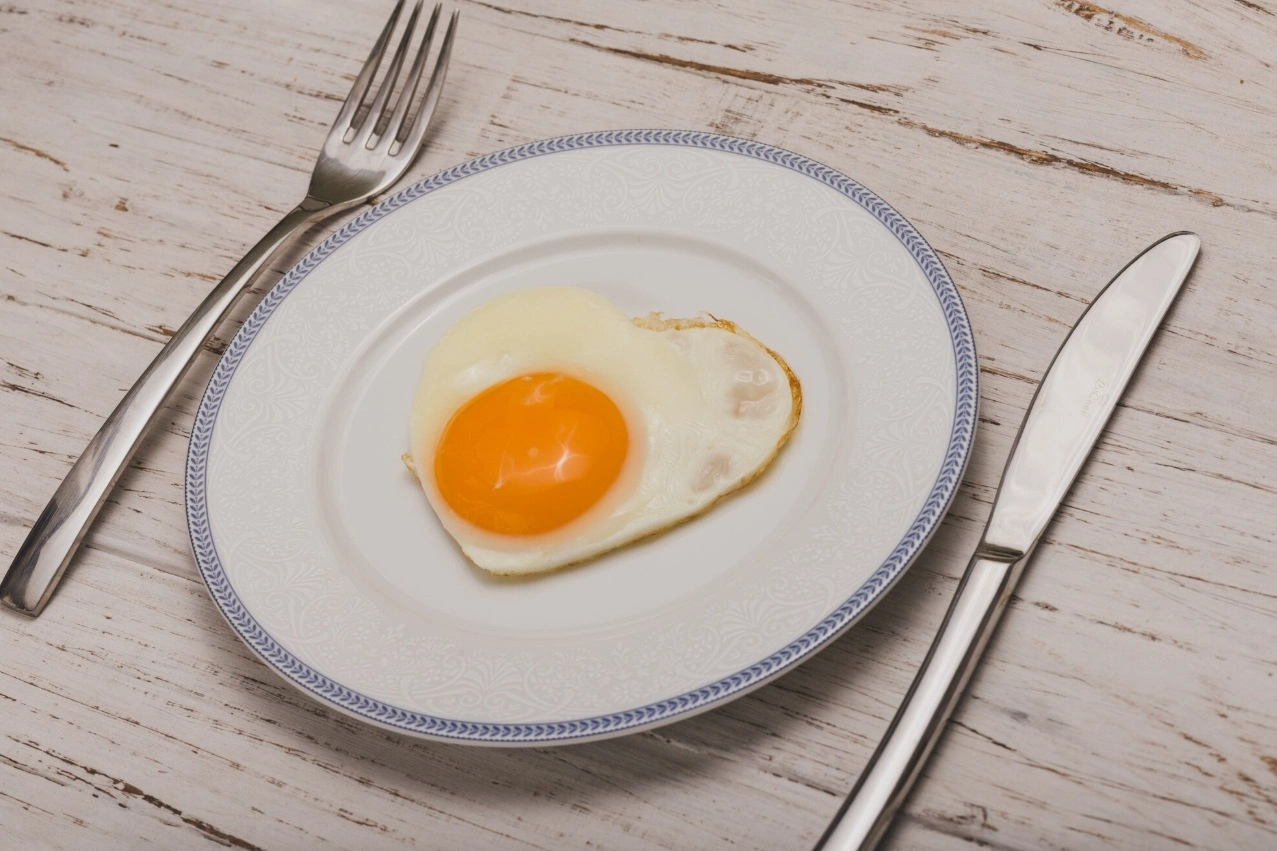
Sunny side up eggs are cooked gently on one side over minimal heat, leaving the yolk raw or just warmed. That raw-ish yolk is rich in heat-sensitive vitamins like A, D, E, and K2, plus cholesterol and choline that remain unoxidized and bioavailable [8].
So, if you purchase high-quality and pasture-raised eggs, sunny side up keeps more nutrition intact.
Over-easy eggs are flipped for 10-20 seconds to cook the yolk’s surface lightly. This reduces the risk of surface bacteria (if your eggs aren’t farm-fresh), but it also exposes the yolk to more heat, slightly diminishing delicate compounds like lutein and DHA.
Another important point you need to consider about eggs on the Carnivore Diet is fat oxidation.
Learn More: 30-Day Carnivore Diet Meal Plan PDF Free Download
One of the biggest Carnivore rules is avoiding oxidized fats. The longer or higher you cook, the more oxidation occurs, especially in the yolk’s lipids [9].
We try to avoid fat oxidation on a Carnivore Diet because it can cause inflammation, cell damage from free radicals, reduce the nutrient quality of fats, and increase oxidative stress, which can cause aging and chronic disease [10] [11].
Comparing sunny side up vs over easy shows that sunny side up involves minimal oxidation if cooked over low heat with tallow or butter, while over easy eggs have a slightly higher oxidation risk due to flipping and direct yolk heat.
So, to avoid fat oxidation, use low-medium heat and cook in beef tallow, butter, or ghee, never seed oils.
Whether you choose to fry eggs as sunny side up or over easy, the following steps can help you cook healthier eggs.
Learn More: Coffee on Carnivore Diet: Pros, Cons, & All You Need to Know
Here are the steps to make yummy and healthy Carnivore Diet eggs. You can also use these Carnivore Diet Recipes for more Carnivore-friendly meal ideas.

You need 1 egg, 1 tablespoon of tallow or butter, a pinch of salt, and a couple of minutes to make a simple but delicious sunny-side-up.
This recipe gives you a sunny side up egg with whites cooked, yolk warm but runny, and nutrients intact.
Nutrients:
Learn More: Carnivore Diet Egg In A Hole - BBBE Diet
Like the above recipe, you need an egg, 1 tablespoon of tallow or butter, a pinch of salt, and a couple of minutes to make eggs over easy.
Using this method, you get a slightly cooked yolk and a cleaner bite.
Nutrients:
It has slightly reduced heat-sensitive vitamins and omega-3 content due to brief flipping, but still nutritious and Carnivore-friendly.
Learn More: Carnivore Diet Recipes + 30-Day Meal Plan
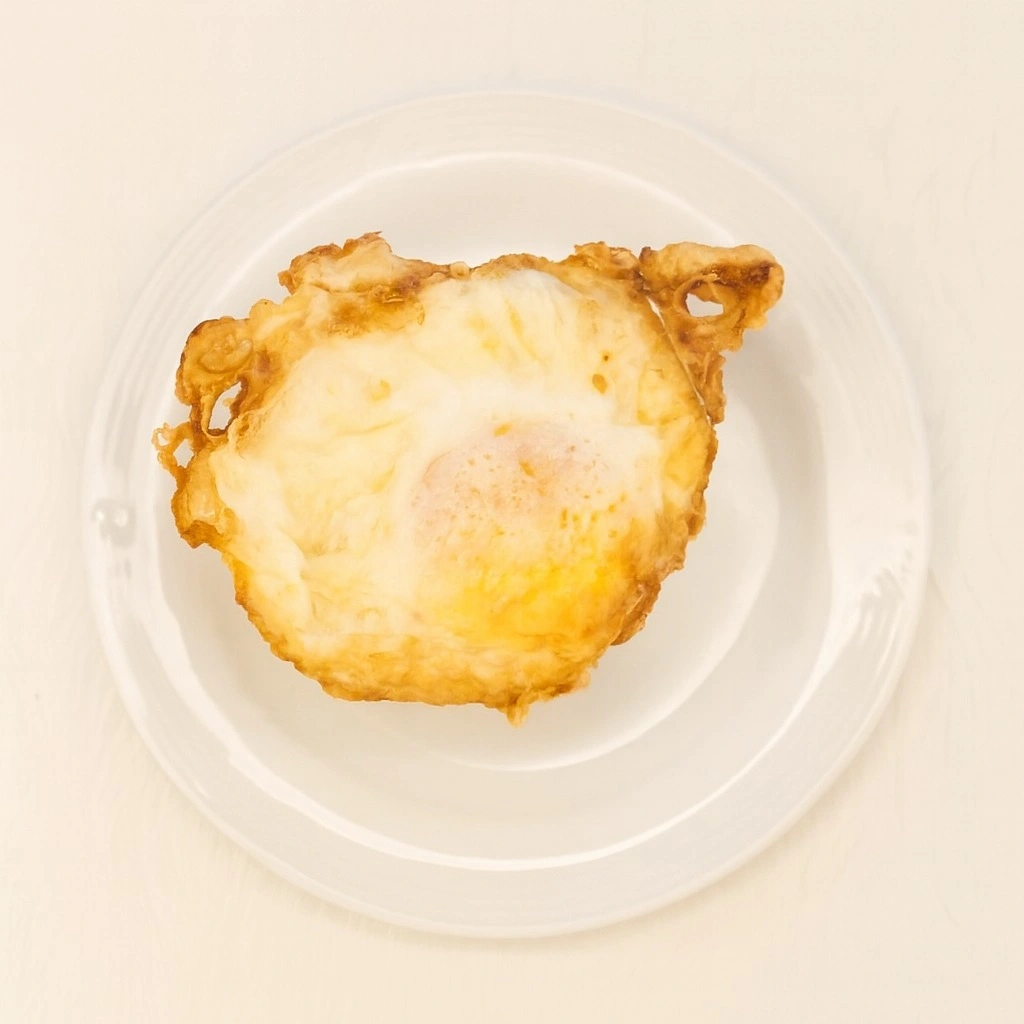
Comparing sunny side up vs over easy eggs shows that over easy is better for those who prefer a firmer texture or have digestion issues with raw yolk.
However, sunny side up gets the gold medal because it is the best for nutrient density, cholesterol quality, and yolk integrity.
If you tolerate runny yolks, go sunny side up because it is the most ancestral way to consume eggs.
Learn More: 20 Best Carnivore Soup Recipes + Tips and Benefits
Comparing sunny side up vs over easy shows that both styles are delicious and suitable for low-carb animal-based diets like Carnivore and Keto.
However, if you want maximum nutrition, sunny side up is a better cooking method. Having said that, you can try both methods and see which one works best for you.
Let’s find answers to the most frequently asked questions about sunny side up and over easy eggs.
Learn More: Ray Peat Diet: Benefits, Downsides, & Points You Can’t Miss!
Yes, if you use pasture-raised, high-quality eggs and cook them over gentle heat, runny or sunny side up eggs are healthy and delicious.
Slightly, mainly heat-sensitive vitamins like B6 and A. Over easy is still nutrient-dense, just a bit less optimal.
Beef tallow is the best fat, then butter or ghee. Avoid olive, avocado, or seed oils because they oxidize easily under heat.