Soft cheese is generally avoided on a zero-carb Carnivore Diet or even Keto. But if you are in a transition phase, low-carb Keto, or Ketovore, you can consume small amounts of soft cheese. If you choose to consume soft cheese on a Carnivore Diet, you need to consider its pros and cons and choose the best ways to add it to your meal plan. So, let’s learn about soft cheese and its possible effects on a Carnivore Diet.
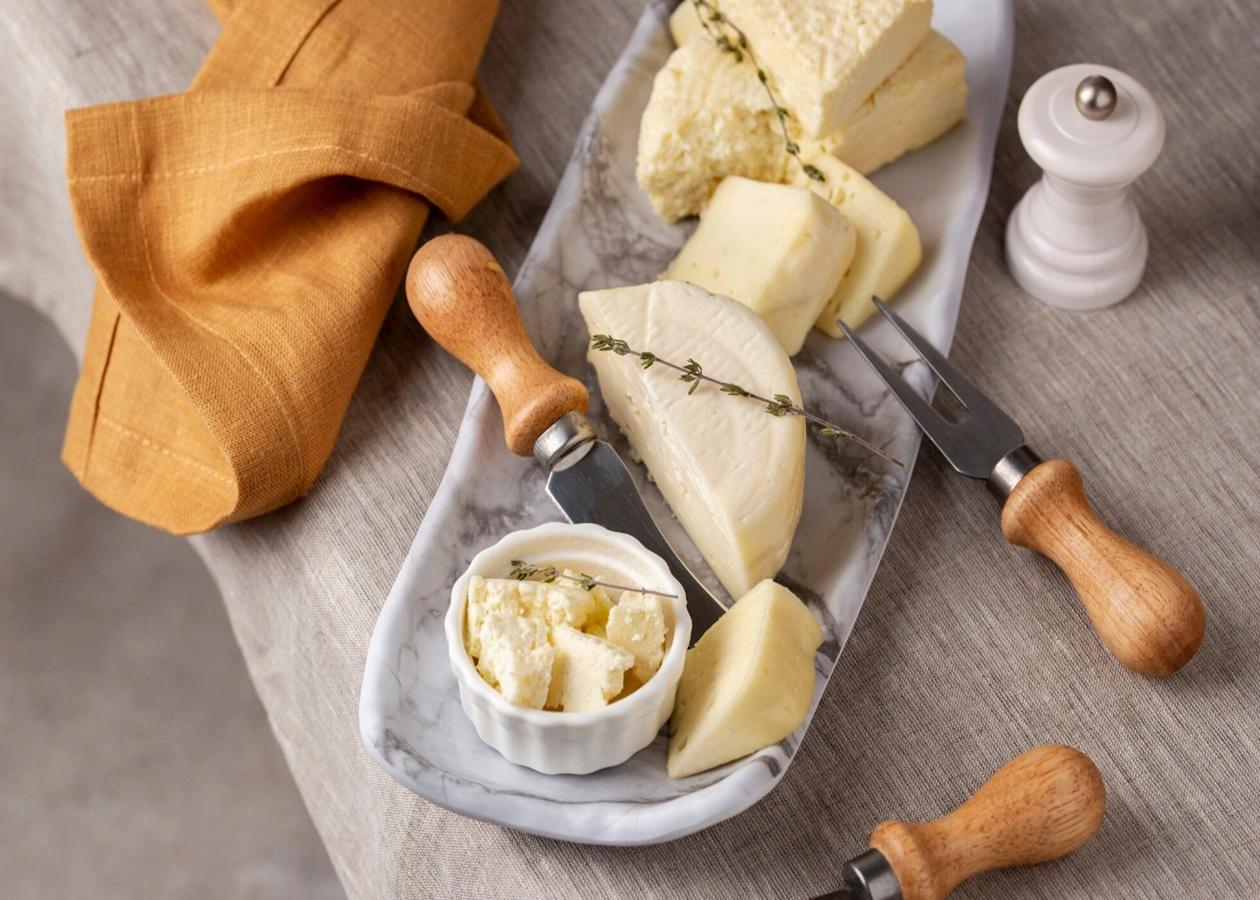
Soft cheese has high moisture, short or no aging, and a creamy, spreadable texture. Unlike hard or aged cheeses, which go through long fermentation and moisture reduction, soft cheeses keep more water.
This texture difference impacts how soft cheeses behave metabolically and microbiologically. One of the main effects is residual lactose.
Because soft cheeses are not aged long enough for cultures to digest most of the lactose, these cheeses carry more of it.
It matters for those who are on a Carnivore or Keto Diet because lactose can impact carb counts and digestive reactions. For example, many fresh and soft cheeses like cottage cheese or ricotta are not allowed on low-carb diets.
Soft cheese is also more prone to bacterial contamination. The Centers for Disease Control (CDC) suggests that Listeria bacteria are more likely to survive in high-moisture, soft-ripened, or raw-milk cheeses than in hard, aged ones.
Soft-ripened cheese made from raw milk has a significantly higher listeriosis risk than pasteurized cheese.
But to find out if soft cheese is allowed on a Carnivore Diet or even Keto, we need to learn about the macros in different kinds of soft cheese.
Learn More: Cheese on Carnivore Diet: Benefits, Risks, and Best Choices

There is a simple rule to decide if any food is Carnivore-friendly or not. You need to check the origin and macros of the food. It should come from only animal sources, and its carbohydrate content should be within the limits of your diet.
To learn how to source your daily calories from macronutrients (fat, protein, and carbohydrates), use this free Carnivore Diet Macro Calculator.
Although macros differ from person to person, generally, your daily macronutrients on the Carnivore Diet should be sourced in this ratio: 70-85% fat, 15-25% protein, 0-5% carbohydrates.
So, to discover whether we can consume soft cheese on a Carnivore Diet or not, let’s check the macronutrients of different kinds of soft cheese.
Although some kinds of soft cheese, especially the low-carb ones, can be consumed on a Carnivore Diet, you need to consider soft cheeses’ pros and cons before adding them to your Carnivore Diet Meal Plan.
The table below summarizes the pros and cons of eating different kinds of soft cheese on a Carnivore Diet.
While you need to avoid carbohydrates on a zero-carb Carnivore Diet, a low-carb Keto Diet allows you to consume different carbohydrates from plant- or animal-based sources.
Learn More: Can You Drink Milk on Carnivore Diet? What Are Pros & Cons
Your daily calories on a Ketogenic Diet come from a different ratio of macros. Generally, 70-80% fat, 15-25% protein, and 5-10% carbohydrates.
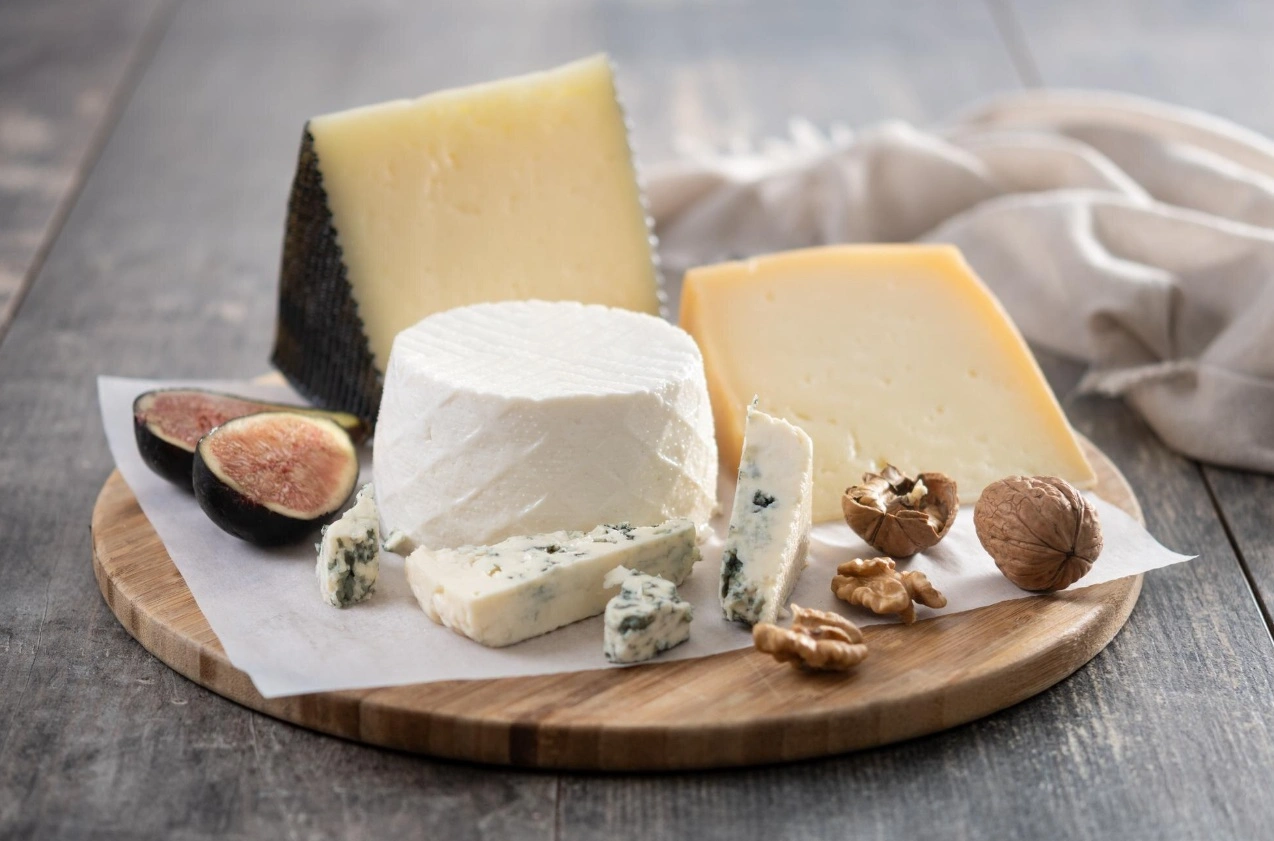
So, although hard cheeses are better options for both Keto and Carnivore diets, you can consume soft cheese on a Keto Diet more freely because of the following reasons.
Soft cheese can be very Keto-friendly. For instance, soft cheese with about 45% fat content can have only 1 g of net carbs per 100 g.
So, many soft cheeses are a good fat source with low levels of carbohydrates. The high fat content also supports satiety and provides energy.
While the carb content in soft cheeses is low, any residual lactose can trigger an insulin response in very sensitive individuals.
However, many individuals can tolerate fatty soft cheeses well on a Keto Diet, especially if they consume high-fat cheeses like triple-cream brie.
According to Keto experts, Saint André triple cream, a French soft cheese, has zero carbohydrates in certain formulations, making it very Keto-friendly.
Learn More: Carnivore Cheesecake Recipe: Yummy Zero- & Low-Carb Desserts
Because soft cheese is rich in fat but also quite palatable, there is a real risk of macro creep, eating more than intended, and shifting your fat-to-protein ratio.
To manage this:
If you are on a low-carb Carnivore Diet where soft cheese is allowed, or if you are on a Keto Diet and like to add soft cheese to your meal plan, it is wise to learn the best ways of eating soft cheese.
Learn More: 6 Best Carnivore Ice Cream Recipes with Tips and Tricks!
Use Cheese Wisely with Other Foods: Mix soft cheese with meat or eggs to maintain Carnivore macros. Use cheese in fat-bomb style recipes or as a creamy sauce base. You can also use these Carnivore Diet Recipes to make Keto- and Carnivore-friendly meals with cheese.
Various users on Carnivore communities on Reddit have shared their experiences with cheese on Keto and Carnivore diets. Looking at real-world experiences can help us understand real effects.
Many users have mentioned that consuming cheese opened up their appetite and turned into a cheese-and-more cheese fest.
Some people report that soft cheeses with more lactose cause bloating, lethargy, or other discomfort. On the flip side, there are users who reintroduce slowly and end up tolerating them well.
Others noted that cheese helped them hit fat ratios, but they still had to be careful not to let it replace more nutritious sources like meat.
These insights imply that cheese is flexible but not risk-free, especially soft cheese. It can be a yummy fat source, but only if it aligns with your macros.
Learn More: 15 Keto Recipes: Dinner, Soup, Quick Bites, Snacks, Desserts
Soft cheese can be a Keto- or Carnivore-friendly fat source but only when chosen carefully, portioned smartly, and tested for your tolerance.
Their creamy texture and high fat make them especially useful to hit fat targets, add variety, and make it easy to stick to a low-carb lifestyle.
That said, they come with risks, such as lactose issues, microbial concerns, especially raw, and the potential for overconsumption.
It is wise to check your macros, consult your healthcare expert or diet coach, and consider your body’s reaction and needs before consuming soft cheese on a Carnivore or Keto diet.
Let’s review the most frequently asked questions about soft cheese.
Learn More: Can You Eat Cheese on a Keto Diet? How Much?
Soft cheeses are generally low in net carbs, for example, ~1g/100g, so they don’t kick you out of ketosis. But if you over-consume or pick higher lactose cheese, you risk a mild insulin response, especially if you are sensitive.
Brie and Camembert can be used, but they are higher in moisture and lactose than aged hard cheeses, and raw-milk versions may carry listeria risk.
Yes, but pick simple, full-fat cream cheese without stabilizing gums or additives. Track your serving sizes carefully, as cream cheese is high in calories.
Start small, around 20-30 g as a test serving. If it works fine, use it only occasionally as a fat supplement.
Unpasteurized soft cheeses have a significantly higher risk of bacterial contamination. If you eat raw soft cheese, make sure it is from a trusted, clean source, or try pasteurized alternatives.
Soft cheese is highly palatable, high-calorie, and easy to overeat. Some people report that it does not fill them in the same way as meat, causing cravings or cheese binging.