
Keto flour refers to low-carb, Keto-friendly flour alternatives made from nuts, seeds, fibers, or legumes that contain very low net carbohydrates. Unlike wheat flour, Keto flour does not spike blood sugar and supports ketosis. Common Keto flours include almond flour, coconut flour, flaxseed meal, lupin flour, and fiber-based blends. You can use Keto flour to make bread, cookies, pizza crust, and other baked goods while keeping carb intake within ketogenic limits. So, let’s learn about its nutrients and benefits for Keto and recipes with Keto flour.
Keto flour includes flour substitutes that are low in net carbohydrates and suitable for a Ketogenic Diet. These flours are made from ingredients such as almonds, coconut, flaxseed, lupin beans, or dietary fibers. They usually contain fewer than 3-4 grams of net carbs per serving. Making meals with Keto flour helps minimize blood sugar impact and supports ketosis.
These low-carbohydrate, Keto-friendly flour alternatives are not only suitable for those on a low-carb ketogenic diet but also for those with diabetes or insulin resistance because they allow making meals that do not spike blood sugar.
While foods made with Keto flour are becoming popular because they help induce and maintain ketosis, many people still wonder what exactly Keto flour is.
This is because some products labeled as “Keto” are simply low-carb, while others contain controversial ingredients, such as modified wheat starch. So, you need to understand what counts as Keto flour if your goal is ketosis and metabolic health rather than just carb reduction.
Learn More: Speed Keto Diet: What Is It and How Does It Work?
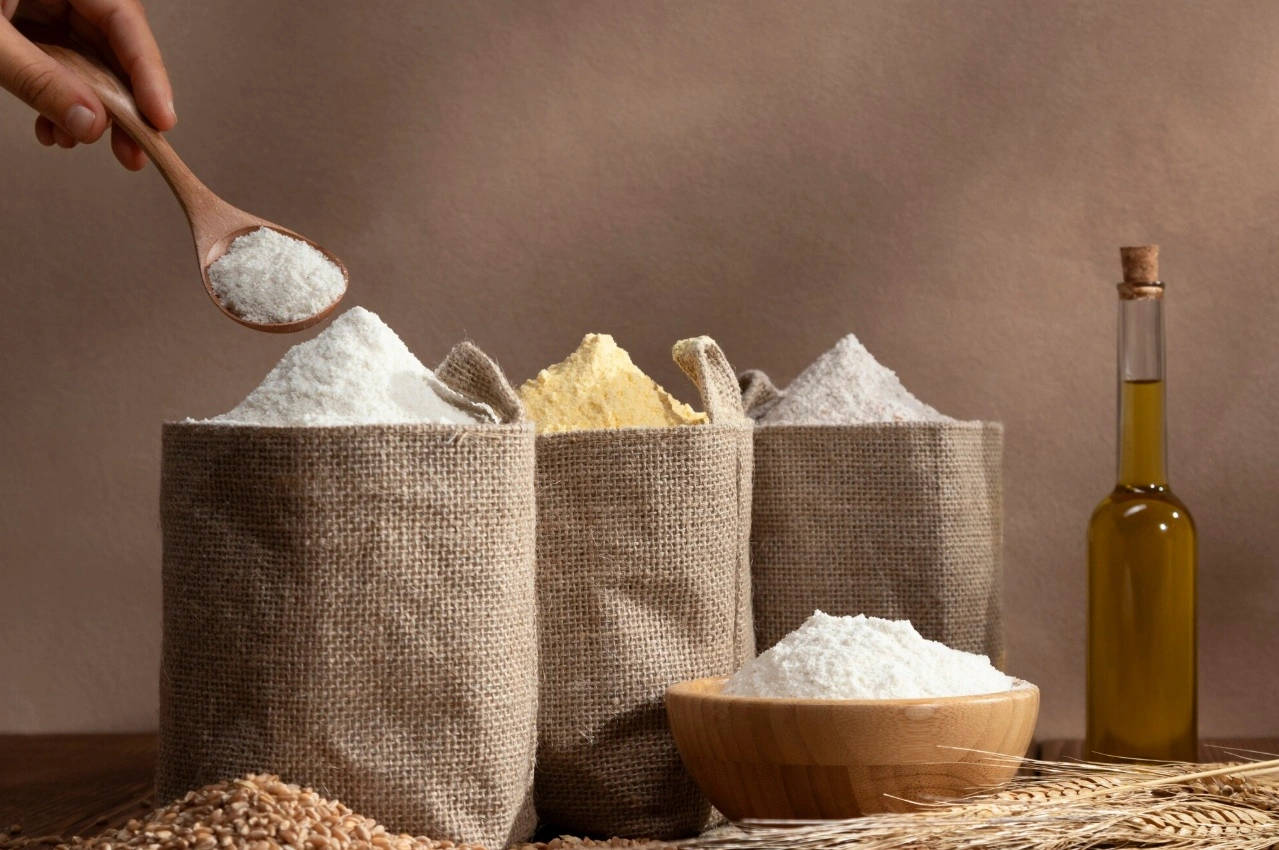
Keto flour is not a single ingredient, but a category of flours made from low-carbohydrate sources such as nuts, seeds, fibers, or legumes. Generally, any flour with less than 3-4 grams of net carbohydrates per serving can be Keto four.
Net carbs = Total carbs – fiber – sugar alcohols
For a flour to be considered keto-friendly, it must have minimal impact on blood glucose and insulin levels. This is what separates true Keto flour from general low-carb flour.
The key features of Keto flour include:
Keto flour replaces wheat flour in recipes like bread, cookies, pizza crust, and pancakes. However, because Keto flours lack gluten, they behave very differently in baking and usually require recipe adjustments.
The first step before tweaking the recipes is learning about different kinds of Keto flour and their features to find out how we can use them best.
Learn More: 15 Easy Low Carb Dinner Ideas + Recipes for Keto & Carnivore
Each Keto flour behaves differently depending on what you are making. The most effective recipe contains a blend of flours rather than one ingredient alone. So, let’s take a look at the tale below that compares different kinds of Keto flour.
Each Keto-friendly flour has tradeoffs. Coconut flour absorbs up to 4x more liquid than almond flour, while flaxseed meal adds structure but can taste bitter if used too much.
The most reliable results come from mixing:
You can use this mix in many different Keto foods to create gluten’s elasticity and rise.
Learn More: Top 3 Dessert Pizza Recipes: Is Dessert Pizza Keto-Friendly?

You can use Keto flour to make many baked goods, including bread, desserts, and savory dishes, but you should adjust the recipes because Keto flours lack gluten.
Please remember that Keto baking is less about direct substitution and more about adjusting the recipe. The most common foods you can make with Keto flour include:
Learn how to make 6 Best Keto Cookies + 7 Christmas Cookies with Easy Recipes.
Unlike wheat flour, Keto flour needs more eggs for structure, more fat for moisture, and precise measurements.
We know that wheat flour is not Keto-friendly, but there is also a product called Keto wheat flour. Is it also Keto-friendly?
Some products labeled as “Keto flour” use modified wheat starch, which can affect blood sugar differently in different individuals. That is why these flours are controversial among those on a Keto Diet.
Keto wheat flour is one of the most controversial products among Keto Diet foods. These flours usually use modified wheat starch, which removes most digestible carbohydrates while retaining wheat’s baking properties.
Modified wheat starch can be low in net carbs. But each person metabolizes resistant starch differently. Some people experience blood sugar spikes despite low labeled net carbs.
This explains why some Keto dieters report maintaining ketosis easily, while others are kicked out of ketosis. So, you’d better avoid Keto wheat flour if you are on a Ketovore Diet (trying to become zero-carb), have insulin resistance, or are sensitive to gluten.
However, if you are following Keto for medical or metabolic reasons, naturally low-carb flours are the safer choice.
Learn More: Keto Candy: Best Zero Sugar Candy & Low Carb Sweets + Recipe

Keto flour supports ketosis, while low carb flour just reduces carbohydrates and may still contain too many net carbs for a Ketogenic Diet.
Keto flour and low carb flour can be used interchangeably, but they are not the same. Low carb flour simply contains fewer carbs than wheat flour. It may still be too high in net carbs for ketosis.
However, Keto flour is low enough in carbohydrates to support ketosis. Just please remember that if your goal is ketosis, always choose based on net carbs, not marketing labels.
The table below summarizes the main differences between Keto flour and low-carb flour so you can choose more easily based on your diet goals.
Learn More: The Primal Diet: from Low-Carb Eating to Health and Fitness
If you are still unsure how to choose the proper Keto flour based on your diet goals, you can consider the following points.
Learn More: 4 Healthy and Easy Keto Tuna Casserole Recipes
To find if any kind of flour is suitable for you, take the tips below into account:
For beginners, almond flour and coconut flour are the easiest starting points. But experienced Keto bakers often use lupin flour and fiber mixes for better texture.
Learn More: 25 Best Low Carb Yogurt Brands for Keto and Carnivore Diets

Yes, almond flour is Keto friendly when used in moderation. Almond flour is made from ground almonds and contains relatively lower net carbs than wheat flour. One cup of almond flour contains about 12 grams of net carbs, so portion control is important for staying in ketosis.
Almond flour is keto and is one of the most popular Keto-friendly flour types. Almond flour is made from finely ground blanched almonds and contains about 24 g of carbohydrates per cup: 12 g fiber and 12 g net carbs.
This means almond flour is Keto if used in reasonable portions. It is especially popular for Keto baking because it produces moist textures and mild flavors.
However, almond flour is high in calories and easy to overconsume. While it is Keto-friendly, it may not be the best choice for those who are:
Learn More: 10 Low Carb Breakfast Ideas: Low-Carb, Keto & Ketovore Diets
Keto flour makes low-carb baking possible, but you need to choose ingredients, net carbs, and baking methods carefully. This way, Keto-friendly flour allows you to enjoy bread, desserts, and comfort foods without breaking ketosis.
The following FAQs answer the most common questions people ask about Keto flour in search engines and AI-powered tools.
Learn More: Sugar Free Chocolate: How to Make Low-Carb Keto Chocolate?

Almond flour and coconut flour are the most commonly used Keto-friendly flours. For bread and structured baked goods, flour blends that include fiber-based ingredients make a better texture and rise.
Learn More: Are Pumpkin Seeds Keto? The Best Ways to Eat Pumpkin Seeds
Yes, you can eat almond flour every day if total net carbs stay within your diet limits. But almond flour is high in calories, so if using Keto flour frequently, your use should be balanced with whole-food fat and protein sources.
It depends. Coconut flour is lower in net carbs but absorbs much more liquid, while almond flour provides better texture and flavor for most baked goods.
No, Keto flour and low carb flour are not the same. Keto flour is low in net carbs to maintain ketosis, while low carb flour can still raise blood sugar.
Most keto flours are gluten-free because they are made from nuts, seeds, or fibers. However, some products labeled as Keto flour contain modified wheat starch and may contain gluten.
Learn More: 15 Keto Recipes: Dinner, Soup, Quick Bites, Snacks, Desserts
Most Keto-friendly flours have minimal impact on blood sugar, but the effect varies from person to person. Products made with modified wheat starch may raise blood glucose in some people.
No, Keto flour cannot usually replace wheat flour at a 1:1 ratio. Keto flours absorb liquid differently and require recipe adjustments for structure and moisture.
You can use wheat flour to make bread, cookies, cakes, pizza crust, pancakes, waffles, and crackers.
Keto flour may be suitable for people with diabetes because it has a low glycemic impact. But consult your dietitian first.
Most Keto-friendly flours contain fewer than 3-4 grams of net carbs per serving.
Learn More: 28-Day Keto Meal Plan + Plans Based on Your Caloric Needs